
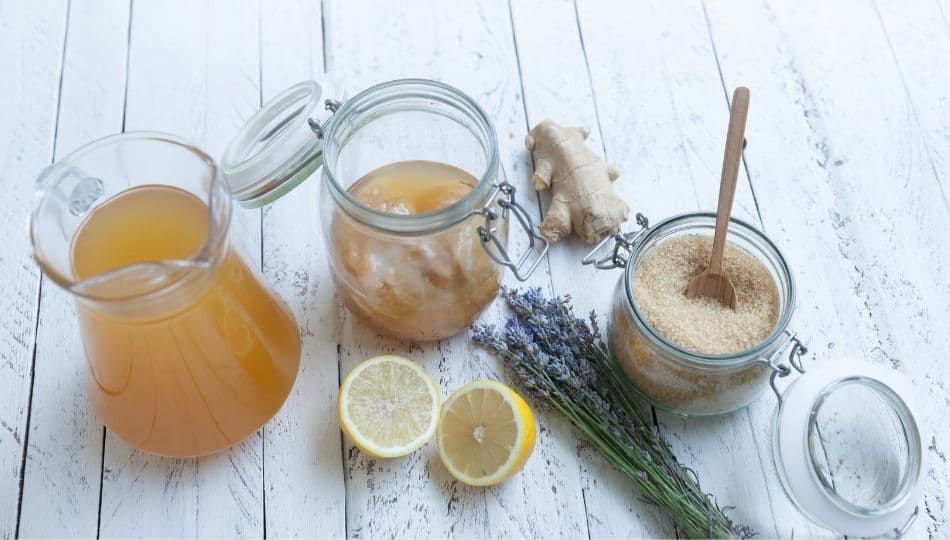
Kombucha is becoming a very popular drink, which is understandable as it is very tasty with the added benefit of being really good for you, especially for your gut health. Unfortunately, there are some cases where you are trying to make this delicious drink, but you leave it to ferment a bit longer than you should have. What happens if kombucha ferments for too long?
Kombucha that is fermented for too long will become very sour, and eventually, if left for even longer, it will turn into kombucha vinegar. This sour Kombucha and kombucha vinegar is still safe for human consumption and can be used in recipes as a substitute for normal vinegar.
So, Kombucha can over-ferment and turn into vinegar if left for long enough, but is there a way to slow this process down or prevent it entirely? And what exactly can you use this kombucha vinegar for? Some of the uses for kombucha vinegar may just surprise you. Let us have a look.
How Does Kombucha Get Over-Fermented?
Kombucha can be a very refreshing and healthy drink, especially when it is fermented just right. However, fermenting Kombucha well does require a bit of finesse and some good timing which does take some practice, and even a kombucha fermenting expert can get it wrong at times.
Fermenting Kombucha into a tasty drink should only take about one to two weeks. After this ideal fermenting time is up, the kombucha liquid is separated from the Kombucha Scoby, and then it is bottled.
When You Forget About Your Fermenting Kombucha
Sometimes this ideal fermenting time can be extended for far too long, though, either by forgetting the fermenting Kombucha or by your life just getting so busy that you do not have time to check your fermenting Kombucha. This extended fermenting time can cause the Scoby to get too active and cause over-fermentation to occur.
When You Ferment Your Kombucha at a Higher Temperature
If you do not watch the temperature at which you are fermenting your kombucha drink, too, and the temperature is not kept at a constant temperature, and it goes too high, then this could cause the Kombucha to ferment a lot faster than you were expecting it to. If you are not expecting this fast ferment, then it is easy to over-ferment your Kombucha as you will not check it accordingly.
What Happens To An Over-Fermented Kombucha?
Over-fermenting Kombucha can happen if you do not keep a close eye on your Kombucha, and this over-fermentation will cause your kombucha drink to turn into kombucha vinegar.
However, this process where your Kombucha turns into kombucha vinegar can take some time, and there is a stage during this where you can still drink the Kombucha as a drink if you can handle the sour taste, that is.
NOTE: If you can handle a sour taste, then your Kombucha will probably still be drinkable after two and a half weeks of fermentation. However, the closer you get to the third week mark, the closer your Kombucha will be to becoming kombucha vinegar, which is defiantly not suitable for drinking.
Do not throw away your kombucha vinegar, though, as there are many different and tasty ways you can use this kombucha vinegar; some of them may surprise you.
We will go through some of the ways you can use this kombucha vinegar later on in this article.
How To Tell If Your Kombucha Is Over-Fermented
Kombucha that has been fermented just right is a very tasty drink and has some good health benefits to it as well. It may be somewhat difficult for you to tell whether your Kombucha has fermented too long or if it is still drinkable.
People also have different preferences when it comes to taste, so a kombucha that is too sour for one person may be just right for another person. This means that you will need to experiment with fermentation times to get the right fermentation level that suits your taste preference.
That being said, your preference may vary from our discussion here. First, we need to know what Kombucha that has been fermented correctly tastes like before we try and see if it’s fermented too far. Let us go through what a correctly fermented kombucha drink should taste, smell and look like.
Kombucha That Is Fermented Correctly
In a kombucha drink that has been fermented correctly and for the correct amount of time, the Kombucha’s taste will start off with a sweet taste that then leaves a slight vinegar after taste. This is normal and indicates that the Kombucha is ready to be enjoyed as a tasty drink.
In Kombucha that has been fermented for a little bit too long, the vinegar after taste will be a bit stronger, but this should still be drinkable if you like slightly sour things.

This vinegary smell is caused by the good bacteria in the Kombucha creating beneficial acids in the liquid that help with the fermentation.
These acids are mainly acetic, glucuronic, and gluconic acids, with acetic being the most noticeable one as this is what causes the Kombucha to have a vinegary smell as acetic is the same acid that is in vinegar. The longer you leave your Kombucha drink to ferment, the more acids will build up in the Kombucha, causing a stronger vinegar smell.
As kombucha ferments, the Kombucha Scoby will feed on the tannin in the tea that you put in it to make your kombucha drink, and this tannin is what gives Kombucha its color. So, when the kombucha drink is ready to be bottled and enjoyed, the kombucha liquid will be lighter in color compared to when it first started to ferment.
3 Ways To Check For Kombucha Over-Fermentation
So, how can can you tell if your Kombucha is over-fermented? There are 3 ways to find out:
- Smell – First, you should smell the fermented Kombucha. If the Kombucha is over-fermented, it will have a very strong vinegar smell as the acids in the Kombucha have built up to a very high level.
This vinegar smell will be very strong and can be quite pungent, and the slightly sweet smell that is in the Kombucha that is ready to drink will be gone. - Color – Have a look at the color of the fermented Kombucha; as we mentioned, the Kombucha will gradually get lighter in color as it ferments as the Scoby eats the tannin in the tea.
So, when Kombucha is over-fermented, the color will be extremely light. It will still have some color to it, but it will be more of a tint than a proper solid color. - Taste – The Kombucha might have an extremely vinegary taste and is really sour and may even be unpalatable for some people, without the pleasant, sweet taste of normal fermented Kombucha.
The Kombucha will taste this way as there is a high build-up of acid that will overtake the taste of the tea that you used to ferment the Kombucha with.
All of these signs put together are a good indication that the Kombucha is over-fermented and may have turned into kombucha vinegar.
TIP: This kombucha vinegar is still safe for human consumption; however, it will definitely be too sour to just be a refreshing kombucha drink. But do not throw this vinegar away as you can use it in many different ways, and you can get quite creative with it.
5 Alternative Uses for Over-Fermented Kombucha
Thankfully, there are loads of ways in which you can use your Kombucha that is over-fermented or that has turned into kombucha vinegar. These methods range from cooking to immune-boosting drinks and can even be used in your daily skin routine for brighter skin. Let us go through some of these uses.
1. Fire Cider
You can use over-fermented Kombucha to make Fire Cider, which is an immune-boosting drink. To make Fire Cider, you mix your over-fermented Kombucha with ginger, garlic, horseradish, and onions (you do not have to use all of them together) and then leave them to infuse together for an hour or two in the fridge, then you pour it through a sifter.
Once you have the kombucha liquid separated from the solids, you can then mix in a bit of honey to add in some sweetness as well as adding some more immune boosters from the honey itself. Then chill the drink in the fridge and take a shot of it every morning to help boost your immune system.
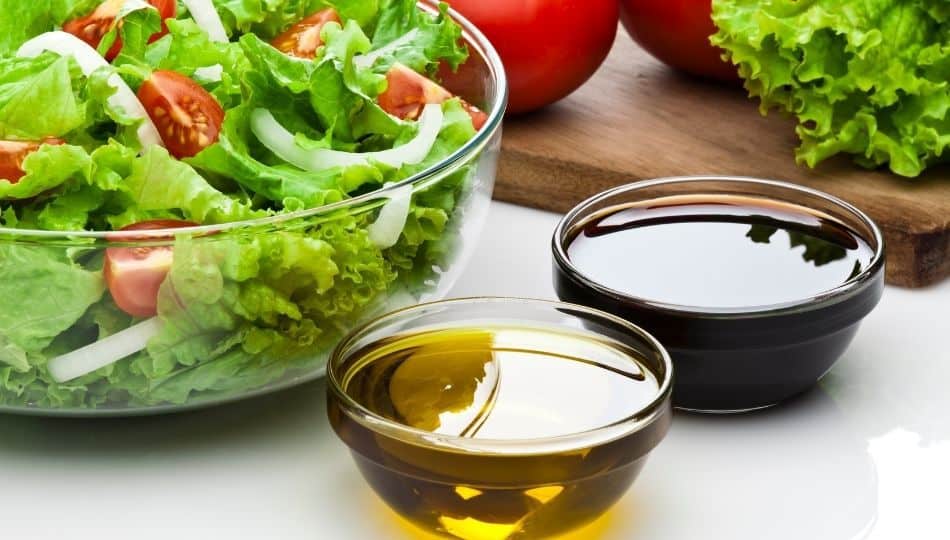
If you enjoy eating salads, then you can try using your over-fermented Kombucha as a salad dressing, you can use it as is, or you can incorporate it into a salad dressing recipe as a substitute for the vinegar in the recipe.
2. Salad Dressing
Adding the over-fermented Kombucha to your salad dressings will give your salad dressings the extra advantage of being gut healthy. This means that the Kombucha will help introduce good bacteria into your stomach that will help aid in digestion.
3. Organic Hair Rise
Another great use for over-fermented Kombucha is to use it as a natural and organic hair rinse. The extra levels of acetic acid in the Kombucha helps your hair in many different ways; it can remove build-up, clarify your hair, reduce scalp dryness or itching, helps to re-balance your hair’s pH reduces frizz and breakage as well as re-seals the hair cuticles.
If you use Over-fermented Kombucha on your hair, your hair will absolutely love you for it. Your hair will be shiny, healthy, and clean, and you will not have to go and buy an expensive hair product to get the same results. You can use the Kombucha as a natural rinse once a week.
4. Natural Make-Up Remover or Facial Toner
The acetic acid in the Kombucha has great anti-fungal and antimicrobial properties in it which makes it excellent in helping to clear up acne and other small infections.
Acetic acid is also astringent, which helps it to give your skin a deep clean, and it can help remove impurities too.
5. Starter Culture for More Kombucha
Fermented kombucha vinegar makes a great starter culture for your next batch of Kombucha, as well as a good Scoby hotel.
A Scoby hotel is a great place to store your extra Scoby that may develop from fermenting Kombucha. The kombucha vinegar will keep the excess Scoby healthy until you are ready to use it.
These are just a few options of what you can use your over-fermented Kombucha for; you may even decide to create your own unique recipes, and the nice thing about Kombucha is that you can be quite creative with it and use it for many different things. So, get your creative juices flowing!
How To Prevent Kombucha From Over-Fermenting
Kombucha can over-ferment for a number of reasons, but there are a few ways that you can help prevent this over-fermentation from occurring.
Keep An Eye On Your Kombucha
The first way you can help stop your Kombucha from over-fermenting is to keep an eye on how long you are fermenting it. As mentioned earlier, leaving your Kombucha to ferment for too long can make it sourer or even turn it into kombucha vinegar.
There are some methods that you have at your disposal to help you not leave your fermenting Kombucha for too long.
Shorten The Fermentation Period
You can reduce the number of days of fermentation for your Kombucha to ensure that it does not over-ferment, but depending on other variables, like the temperature you keep your Kombucha at, this may make your Kombucha under-fermented.
Note: If you’re interested in speeding up fermentation time, here’s an article I wrote full of tips on how to speed things up without compromising on the quality and health benefits of your fermented food!
If you find that your Kombucha is over-fermenting because you forget about it, then you can set an alarm on your phone to remind you to check it at the same time every day, which will help you catch your Kombucha before it over-ferments.
Ferment In Lower Temperature
You can try to keep your Kombucha in a colder location to help stop it from over-fermenting, you can place it in a cooler part of your home, or you can place it in the fridge.
If you reside in a hot climate, you need to be aware that your Kombucha may ferment faster due to the heat, so calculate your days accordingly or try to keep your fermenting Kombucha in a colder environment, like a kitchen cabinet, and check it every day.
TIP: If you put the Kombucha in the fridge, you do still need to check on your Kombucha regularly as you do not want the fermentation process to stop completely, which can happen if the Kombucha gets too cold for too long.
Do a Daily Taste Test
Another way to help stop your Kombucha from over-fermenting is to taste it on a daily basis; tasting your Kombucha not only helps you to know when it is ready and you should bottle it, but it also ensures that you get the flavor that you like in your Kombucha more easily.
This allows you to stop the fermentation of the Kombucha when it has reached the taste that you desire instead of it over-fermenting and becoming too sour for your liking.
Reschedule Your Next Batch
If you become too busy to check on your Kombucha every day, then you may want to either hold off on making a batch of Kombucha until your life calms down a bit, allowing you the time to keep an eye on it.
Ask For Someone’s Help In Checking Your Kombucha
You can also have someone else who is knowledgeable in fermentation check on your Kombucha on a regular basis while you are busy with your schedule.
Don’t Be Sad About Your Over-Fermented Kombucha!
Kombucha can ferment for too long, which can turn it into kombucha vinegar or at least make it a bit too sour for most people’s tastes. This can be quite disappointing as you were looking forward to a nice batch of Kombucha to drink.
However, there are many ways in which this sour Kombucha can still be used, so you can still get all the health benefits from it. Besides, this also allows you to get creative and have fun, as you come up with different recipes!
10 Ways to Ferment Food Faster (that Actually Work!)

Fermented foods are a real culinary trend, with more and more people choosing to ferment food in their own kitchens. And why not? They deliver a delicious umami punch, they are full of probiotic goodness, and they’re straightforward to make. Fermentation does take time, though. How do you speed up the process? Are there any ways to ferment food faster?
These are the main ways to ferment food faster:
- Add less salt
- Ferment in a warmer environment
- Add Lactobacillus bacteria
- Use the most natural salt, water, and vegetables
- Peel and chop the vegetables finely
- Keep the food submerged
The easiest kind of fermented food to make at home is fermented vegetables. Producing your own kimchi or sauerkraut isn’t tricky. Fermentation is a biological process that relies on microscopic bacteria to transform the simple ingredients of vegetables, salt, and water into fabulously tasty fermented snacks.
Speeding up fermentation means working with the ingredients and the environment in which fermentation occurs, making sure they are optimal for the process to happen. If we understand fermentation, we can understand how to speed up the process.
In this article, I’ll share my top tips on getting a faster ferment without compromising on the quality and taste!
What Happens During Fermentation?
Fermentation is a natural process where you use micro bacteria to break down food, using its natural sugars and carbohydrates and producing acids, alcohol, or gas to transform the food completely: think of grapes becoming wine or milk becoming cheese.
Simple fermentation processes transform fresh vegetables, salt, and water into delicious, healthy, preserved food. This type of fermentation is called lacto-fermentation, not because it has anything to do with milk (lactose), but because the bacteria (lactobacillus) produce lactic acid, which works its magic on the vegetables.
During fermentation, the lactic acid preserves the food and changes its composition, making it more nutritious and also allowing the body to absorb the nutrients more readily. Lactic acid also repels other bacteria, which would rot the food, causing mold and mildew – it is, therefore, a preservative.
Do not confuse fermenting with pickling though. While pickling is also another way to preserve food, it is not the same as fermenting. Here is an article I wrote on the difference between fermenting and pickling.
How to Ferment Vegetables?
The easiest and quickest fermented foods to make are vegetables. You can use almost any vegetable that can be eaten raw: popular ones are cabbage, cauliflower, carrots, beans, radishes, onions, and cucumbers.
Preparing the vegetables for fermentation is quick and straightforward. It requires only the most essential tools, no specialist equipment, mere minutes in the kitchen, and you sit back and let natural fermentation take its course. The basic process is as follows:
- Cut up your vegetables.
- Mix with salt or brine.
- Leave to ferment.
- Keep out oxygen.
- Wait a few days or a few months, and eat.
How Long Does Fermentation Take?
Fermentation can take anything from a few days to a few months. Scientists argue that lacto-fermentation takes around three weeks so that three sets of different bacteria can do their work:
- Stage 1, Days 1-5: The first group of bacteria, Leuconostoc mesenteroides, are tolerant of salt. As soon as you have mixed your vegetables into the salt, they begin transforming the environment into an anaerobic one for the primary bacteria to do their work – they are responsible for many of the bubbles you see.
- Stage 2, Days 5-16: This is the primary fermentation period when most of the transformation happens through the bacteria that produce lactic acid: Lactobacillus plantarum.
- Stage 3, Days 17 onwards: During the secondary fermentation period, the first group of bacteria dies off, and the last group of bacteria remains, including Lactobacillus brevis. They reduce the acid taste and improve the flavor profile.
However, all of these bacteria produce probiotics and are healthy for you. The length of time you allow the vegetables to ferment will depend on your taste – you should taste the ferment you’re creating to decide at what stage it has the right level of sourness, crunchiness, and tang for you. Generally, you can start tasting from day three when you see bubbles appearing – these are a by-product of fermentation.
Once you decide the vegetables taste right, you put them in the fridge, stopping the fermentation process.
QUICK TIP: Trust your sense of smell to tell you if your fermentation process has gone bad. Fermented vegetables will smell sour, tangy, and acidic. But if they smell too funky or unappealing, instead discard them.
Generally, a longer, slower, cooler ferment is preferable, as it produces crisper, tangier vegetables, which are well preserved and have more probiotics in them. An exception to this, however, is when you’re making kombucha. Here’s an article I wrote on what happens when you ferment kombucha for too long.
Ferments kept at a low temperature can last for months, even years. However, sometimes time is of the essence, and you want to ferment food at a quicker pace.

If you want to keep your fermented food for a long time – fermentation is a preservation method – you will need to store it somewhere very cool to avoid spoiling, for example, in the cellar, a cool basement, or a wine cooler.
Because fermentation is a biological process, it is influenced by the food and environment involved so that you can speed up fermentation and slow down the process to a certain extent.
10 Ways to Ferment Food Faster
Speeding up the fermentation process is a matter of manipulating the different elements of fermentation: the ingredients (salt, water, vegetables), the bacteria, and the environment. In some cases, the fermentation process can actively be sped up. In others, it is a matter of creating the ideal environment for fermentation to take place to optimize the process.
1. Use The Correct Salt
Salt is an essential element when doing home ferments, either in the form of brine or dry salt if you’re doing a dry ferment (like sauerkraut, where the natural water in the vegetables is all you use). The role of salt is to kill off harmful bacteria, allowing the lactobacilli an environment to thrive. It also draws water and nutrients from the vegetables for the bacteria to feed on. Salt also hardens the pectin in vegetables, leaving them crunchier.
While the kind of salt you use won’t speed up the fermentation process, using the correct kind of salt will optimize the fermentation environment for the most efficient ferment.
- Avoid purchasing salt that is highly processed via intense heat – this alters the chemical composition and kills off the minerals that make salt useful.
- It would help if you also use salt that does not have any additives, such as anticaking agents, which will change the taste of the product, or iodine, which will hinder fermentation.
- Avoid low-sodium salt
- Try to use mineral-rich salts, such as Kosher salt, Himalayan salt, Celtic sea salt, or pure sea salt that is protected from pollution and impurities. These minerals will serve as nutrition for the bacteria responsible for fermentation and improve the final product’s flavor, making it tangy rather than salty.
- Pickling or canning salt is ideal
- The grind of the salt is also relevant here. Coarser salt, like the coarse grain for salt grinders, will slow down the fermentation process as it takes a long time to dissolve. Fine-grained salt or ultra-fine salt will work more quickly.
2. Use Less Salt
Salt slows fermentation down, as it will affect even lactobacilli if used in large quantities. Therefore, using less salt will speed up fermentation. It allows for more fermenting organisms, producing a more biodiverse ferment and a quicker production of lactic acid.
Some argue for a salt-free ferment, replacing it with other mineral-rich substitutes, such as celery juice or seaweed. These function in the same way as brine – the vegetables must be submerged in the liquid.
However, using less (or no) salt will mean the veggies’ cellular walls will break down during the fermentation process, leaving you with softer, even mushy vegetables. Too little salt will not kill off harmful bacteria, so you run the risk of your ferment growing mold or even going off.
How Much Salt to Use for Fermentation
These are general guidelines, which you can then adjust, depending on the speed at which you want your food to ferment and how salty you like your fermented food.
- As a general rule, use half an ounce of salt per quart of water when making brine.
- With dry brining (such as for sauerkraut or kimchi), use an amount of salt equal to about five percent of the weight of your vegetables. For example, if you have five pounds of vegetables, use four ounces of salt.
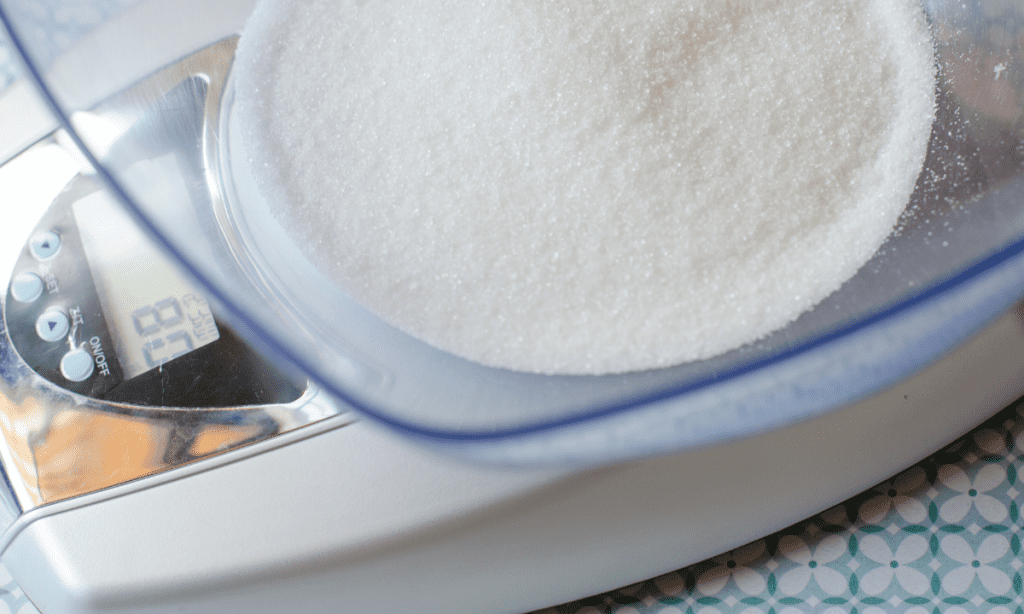
- Always weigh your vegetables and salt to control the fermentation speed more accurately and replicate your fermentation results. A multi-function kitchen scale that’s durable and easy to store like this one on Amazon would be very useful for your fermenting needs. It’s super quick and precise, and is also very affordable.
3. Use the Correct Water
If you are doing a brine ferment, water is a crucial element of the fermentation process. While the water you use won’t speed up the fermentation process, using the best quality water you can afford will optimize the ferment.
- The ideal water is fresh spring, well, or mineral water, which is rich in the minerals the bacteria need.
- Do not use filtered water, as the filtration process often removes the necessary minerals for fermentation. Instead, use a water purification system that remineralizes the water or a reverse osmosis system.
- If your water lacks minerals, add minerals in the form of mineral drops.
- Always use non-chlorinated water. If you only have access to chlorinated water, first boil it to allow the chlorine to evaporate and allow the water to cool to room temperature. Another option is to blenderize the water – the aeration process will also cause the chlorine to evaporate.
- Avoid water containing fluoride.
4. Use the Best Vegetables You Can Afford
Using the best vegetables you can afford will speed up the fermentation process because the levels of fermentation that occur in fresh, organic, or homegrown produce outstrip the levels in supermarket produce.
TIP: The more nutritious the vegetable is, the more nutrients there are for the bacteria to feed on, and the better and quicker your ferment. Also, pesticides and chemical agents can kill the bacteria necessary for fermentation.
Also, avoid using old, damaged, bruised, or moldy vegetables as these parts of the vegetable are breeding grounds for mold and other contamination.
Before using them for fermentation, gently wash the vegetables under cool, running unchlorinated water to remove loose dirt. Do not wash them with an antibacterial wash, as this will reduce the number of good bacteria you need for fermentation.
5. Peel Hard Vegetables
For fermentation to occur, the water must be drawn out of the vegetables so that the brine can penetrate and flavor develop. This process is quick in soft vegetables, but for hard vegetables, like carrots, peeling allows this to happen more quickly.
6. Cut Vegetables as Thinly as Possible
Again, cutting the vegetables thinly increases the exposed surface area and allows more water to escape, speeding up fermentation. If you are using cabbage, use a grater or mandolin to cut the vegetables very finely.
You can ferment vegetables whole – pickles are a typical example. However, the larger the piece of vegetable, the longer it will take to ferment. Pickled cucumbers will take months before they are ready to eat.
7. Cut Consistent Sizes
Fermentation will happen more quickly if all the vegetable pieces are the same size – this means a more consistent ferment.
8. Keep Vegetables Submerged
Lacto-fermentation is an anaerobic process, meaning that the bacteria do not require oxygen to do their work. In fact, an oxygen-free environment is best if you want to avoid mold and other contaminants, as these will thrive if your vegetables are exposed to air.
However, the bacteria release carbon dioxide, so you need to have a mechanism to release this by-product (such as a lid with a gasket) or have to “burp” your ferments by opening the lid a little bit each day to release the gas.
Maintaining an oxygen-free environment means you should submerge your vegetables in brine, making sure the liquid is a couple of inches above the vegetables. This submersion creates an ideal environment for the growth of the fermenting organisms and thus a faster ferment.
What’s the Most Suitable Container to Keep Vegetables Submerged?
Allowing the vegetables to be wholly submerged also means choosing a suitable container for fermentation. There are several kinds of containers available:
- Ceramic crock jars: These are the traditional containers for fermentation, as they are heavy and wide enough to pack down the vegetables quickly. They are designed to come with a half-donut-shaped set of weights and a water gutter with a lid to create an airlock that still allows carbon dioxide to escape.
However, old-fashioned ceramic crock pots are relatively expensive and are not always easy to find. This 1/2 Gallon Ceramic Fermenter from Amazon is a good choice as it already comes with weights, lid, and pounder. And it costs way less than old-fashioned ceramic crock pots.
- Mason jars: These are the most popular, accessible, and affordable containers to use, especially those with wide mouths. Fermentation accessories have also been designed to be used with these jars. It is best to use these accessories as the tight seal of a mason jar does not allow for the release of carbon dioxide, which can lead to the jar exploding.
These mason jars from Amazon are also perfect even for those who are just starting out with fermenting food. It’s a 12-pack mason jar set so you can make a dozen of your favorite fermented foods in just one go! - Le Parfait glass jars: These jars are ideal as they have a wire hinged-lid and rubber gasket to allow the carbon dioxide to escape quickly.
This Le Parfait jar from Amazon is a great investment for the avid fermented food fan as it already comes with an airtight rubber seal made from latex-free rubber that can easily be replaced when it wears out.

Use Weights to Keep Vegetables Submerged
- Ideally, pack the vegetables in, pressing them down and crunching them to break down the cell walls and release juices. You can use a blunt wooden tamping tool for this.
- It is also helpful to weigh the vegetables down to ensure an anaerobic environment and to keep the vegetables in the brine. There are various kinds of weights available, or you can create your own using a Ziploc bag filled with water or marbles, a small plate with a jug on top, etc.
- Fermentation lids and gates function as weights, keeping the vegetables submerged, keeping out oxygen, and allowing carbon dioxide to escape all at the same time.
9. Add Other Bacteria
The other essential element of the fermentation process is bacteria, which occur naturally in the environment. For vegetable fermentation, the bacteria produce lactic acid, so they are referred to as lactobacilli.
The micro bacteria in different fermenting foods are all slightly different, so if you add the bacteria from another ferment, it will speed up the work of the existing bacteria. There are a couple of ways to add bacteria:
- You could use some of the brine from a previous veggie ferment – it will be full of bacteria. This process is called backslopping.
- Another option is a culture inoculation, usually used in industrial fermentation. You purchase lactic acid bacteria starters for vegetable fermentation and add these to your ferment – these produce high levels of lactic acid and speed up fermentation.
- A further option is to use the liquid from a different kind of fermented food: for example, you could use whey, a by-product of fermenting kefir, cheese, or yogurt; kombucha; or hooch, a by-product from a sourdough starter. Use about a quarter cup of starter for a quart of ferment.
TIP: Although you may introduce other bacteria to speed up the process, you want to avoid introducing harmful bacteria. Avoid cross-contamination by using clean equipment, having clean hands, and not eating directly from the jar of fermented food.
10. Increase the Heat
Bacteria grow more quickly in a warm environment, so the warmer the environment, the quicker the fermentation. This is why fermentation is always quicker in the summer.
In the past, experts recommended a long, slow, cool ferment, keeping your food at around 50-60â°F (10-15â°C). This kind of fermentation takes around six months.
However, you can speed up the fermentation by keeping your fermentation container in a warm spot: ideally around 65 to 75â°F (up to 24â°C). This temperature will allow for optimal flavor and texture but give you results in anything from three days to six weeks – depending on the vegetable. If your home is too cold, you can use a seedling warming or germination mat to warm your fermentation container.
Because of the speed at which bacteria grow when warm, you will have to be vigilant if doing a quick, warm ferment over a couple of days. The bacteria become very active, breaking down the vegetables and causing them to become soft. Water also evaporates more quickly, so you will have to keep an eye on your brine levels.
However, there is a greater danger of mold growth if your ferment is kept too warm. Watch out for mold growth on the surface. Generally, mold is not harmful and means that your ferment was exposed to the air. Gently scrape off the mold or yeast and discard. However, if the mold is brightly colored and smells funkier than a usual ferment, you will have to discard the whole batch as it is contaminated.
Don’t let the temperature get warmer than the high 70s (Fahrenheit), as too much heat will slow and even prevent fermentation as it will kill the Lactobacilli.
NOTE: To speed up the fermentation of kombucha (fermented tea), you can increase the environment’s temperature to 78 to 85â°F. This increase results in a more potent tasting brew. However, as with fermented vegetables, too high a temperature will kill the necessary bacteria.
One Final Trick for Creating Almost Instant Kimchi!
Use a whipping siphon. If you are desperate for your favorite ferment, kimchi, for instance, this method allows you to enjoy your treat within a couple of hours!
First, you brine your roughly chopped cabbage for about twenty minutes to draw the moisture out. Then you make your spicy garlic and chili paste and toss your cabbage in it to coat. Put this mixture into the whipping siphon, charge it twice with carbon dioxide, shake it, and put it in the fridge.
This pressurized environment makes the flavors develop really quickly. After a couple of hours, you degas the siphon and enjoy the kimchi.
This whipping siphon from Amazon is a perfect choice for your instant kimchi cravings. It’s made of high grade, sturdy aluminum, and has a multi-use dispenser so you can also make other desserts with it.
Ready to Start Fermenting?
Making your own fermented vegetables requires minimal effort but offers great rewards.
You can opt for a long, cool fermentation process or speed up the fermentation by manipulating the amount of salt, the heat of the ferment’s environment, and by using the best natural products you can.
Is Pickling and Fermenting the Same Thing?

Pickling or fermenting are commonly used to preserve foods, but are they the same? If not, which one should you choose?
Pickling is not the same as fermenting, even though they both preserve foods. The pickling process involves using vinegar to kill the microorganisms and bacteria in food. Fermentation is an anaerobic process where lactic acid destroys bacteria while also releasing probiotics.
Humans have been using both pickling and fermentation to preserve food for thousands of years. Unfortunately, the word pickling is often misused, which leads to confusion. Read on to learn how the two are different and which one has more nutritional benefit.
Why There Is a Lot of Confusion Between Pickling and Fermenting
The reason why there’s so much confusion between pickling and fermenting is because people mean different things when using the same words.
Both are terms that describe different ways to preserve food. But if you aren’t well-versed in the nuances of food preservation, it’s understandable that you might confuse the two — especially because both processes can involve submerging the food in a liquid.
Pickling, for example, is often used when talking about preserving food in general, and it also refers to one particular method for preserving food (i.e. pickling).
To confuse things even more, pickles (as opposed to ‘pickling’) are also foods, and they can be either pickled or fermented. Not enough confusion? Here’s some more…
The vinegar used in pickling is fermented. As well as other things like sourdough and beer. Often, people say that some fermented foods, such as sauerkraut, start off being pickled but then become fermented, which is incorrect.
But I guess you have to be forgiving, because as you can see from the discussion above, it’s not always easy to decipher what’s what when it comes to pickling and fermenting.
Let’s take a look at what both pickling and fermenting actually are and where they differ. By the end of this article you’ll know the differences between the two, and be able to tell with certainty which one is which!
We’ll start with the easier of the two; Pickling…
What Is Pickling?
Both pickling and fermentation destroy bacteria that could cause food to spoil. But pickling does so by immersing the cucumbers (or any vegetable you wish to pickle) in a vinegar solution. The acetic acid in vinegar prevents spoilage by raising the acid in foods, which kills off microorganisms in the food.
Today, people often use the canning process to pickle their veggies, but people have pickled food for thousands of years, long before any modern canning equipment. Instead of putting the vinegar and water mixture into cans and bringing the jars to a boil, they poured boiling vinegar over the vegetables instead, which had the same affect.
Many recipes call for the addition of salt in canned pickles, but salt is not necessary if you are canning. The vinegar prevents spoilage while the salt is added for flavor (you’ll get why I’m mentioning the salt when we get to fermenting!).
The same is true for sugar. Ancient recipes could not have called for sugar as it wasn’t used as a sweetener in Europe before the 16th century. Both sugar and salt is used purely for flavor when it comes to true pickling of foods.
This is not the same for fermenting where the salt is absolutely a necessity, as you’ll see later on in this article. If a fermenting recipe calls for salt, it should not be omitted!
Can Any Vinegar Be Used for Pickling?
When it comes to pickling, there has to be a certain amount of acetic acid in the vinegar for it to be able to pickle, otherwise you will simply end up with vinegar flavored veggies!
If a vinegar has at least 5% acetic acid, you can use it in pickling. Almost all kinds of vinegar used for cooking have 5% acid and will clearly indicate so on the packaging.
But a few types of vinegar, such as this Marukan Rice Vinegar (link to product on Amazon), have a lower acidity level and should not be used for pickling.
Vinegar is a fermented product historically made from foods available in the region where it was produced. The process begins when yeast ferments sugars in the food to alcohol, and then acetic acid bacteria go to work, turning the alcohol into acetic acid. Most white vinegar sold in the United States is made from ethanol or corn.
DID YOU KNOW? That when you’re making kombucha and you left it to ferment for too long, it will turn into vinegar? Here’s an article I wrote about what happens when kombucha over-ferments, how to avoid it, and what to do with he over-fermented kombucha.
Here are some tips when it comes to the type of vinegar you can use in pickling:
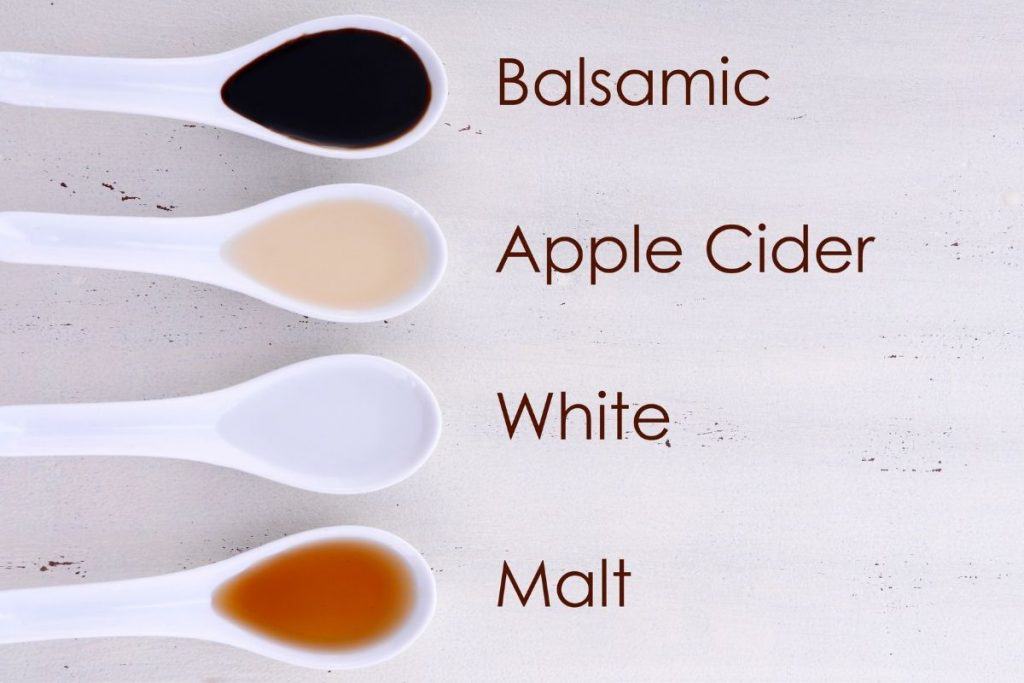
- Some recipes call for apple cider vinegar, which will impart a less vinegary flavor to foods you pickle. It will darken the pickles somewhat.
- Although you might like the flavor of balsamic vinegar, it might overpower the foods that you pickle. Consider using a 50/50 mix of balsamic vinegar. Not only will you still have the balsamic vinegar, but you will save some money as well. Keep in mind that some kinds of balsamic vinegar do not have 5% vinegar, so check this out on the packaging!
- Rice vinegar often does not meet the 5% threshold, and the same is true for flavored vinegars.
Not all is lost if you want to use a vinegar that doesn’t have enough acetic acid. You can use less potent vinegars to make refrigerated pickles that you plan to eat in a few weeks. But this isn’t considered true pickling, as you’ll read in a second…
Does the Vinegar have to be Boiled when Pickling?
You will find recipes that don’t require you to boil the vinegar or use a canner. Recipes like that typically tell you to refrigerate your veggies and eat them within several weeks. We call them pickled foods because they have vinegar, but true pickled foods are canned and can last for months.
Some recipes tell you that you only need to pickle your vegetables for 30 minutes or so. This is NOT pickling, rather a vinegar based dressing! Of course that doesn’t mean you can’t enjoy it, just know that you’re not really eating pickled food.
The Benefits of Pickling Foods
Eating pickled foods as a condiment with your meals actually acts as a digestive aid. The acidic nature of the pickle encourages the body to release it’s own digestive juices, which helps with digestion in general.
So adding a pickle to the side of your meal helps more than just adding variety and flavor to your plate!
We’ve talked about what truly is and isn’t pickled, now let’s move onto the rather fascinating area of fermentation…
What Is Fermentation?
Remember that the acetic acid used in pickling destroys microorganisms. It actually kills all microorganisms. It doesn’t distinguish between good and harmful microorganisms.
Fermentation however, does almost the opposite. Unlike pickling, where the acid destroys bacteria and other microorganisms, fermentation increases the level of microorganisms in food.
Microorganisms like bacteria or yeast, turn carbohydrates into alcohol or acids (these acids/alcohol are what will kill the harmful bacteria). It’s a process that occurs without oxygen present (called an anaerobic process).
The vegetable or other food to be fermented is covered with a salty brine to prevent oxygen from allowing molds to grow on the food. Once the acid is present (mainly lactic acid), it goes to work destroying organisms that could spoil the food.
While it is going about its business, lactic acid converts some of the sugar into B vitamins and probiotics as a by product of the process. So fermentation actually adds beneficial organisms to the food.
There are few different types of fermentation too; let’s take a look…
The 3 Types of Fermentation
- Lactic acid fermentation: A broad range of foods and drinks, from sauerkraut to sourdough bread, are created using lactic acid fermentation. Yeast and bacteria work together to turn sugar or other starches into lactic acid, which acts as a preservative.
- Acetic acid fermentation: This process is used to create vinegar.
- Alcohol fermentation: The sugars and starches from fruits, grains, or starchy foods are broken down by yeast into alcohol and carbon dioxide molecules. The result is wine, beer, and alcohol.
Interesting fact: Very few foods cannot be fermented. Techniques and recipes exist for fermenting beans, grains, vegetables, fruits, dairy, fish, meat, honey, and tea.
What Are the Benefits of Fermentation?
We’ve already touched on this a little earlier, but because the fermentation process kills off harmful bacteria while increasing healthy ones, a host of benefits are associated with fermented foods.
The probiotics improve the health of your digestive system. Healthy bacteria can reduce digestive problems, including bloating, gas, diarrhea, and constipation. Some studies suggest that probiotics can lessen symptoms of Irritable Bowel Syndrome.
Fermented foods can also be easier to digest and increase how well our bodies absorb nutrients. That is why those who are lactose intolerant can often consume fermented dairy such as yogurt or kefir.
- Firstly – there is less lactose in as it has been consumed by the fermentation process.
- Secondly – the nutrients become easier to digest through the fermentation process.
Those who eat tempeh for example, are getting more nutrients from the soybeans than those who eat tofu (tempeh is fermented and tofu is not).
Can Food Be Both Pickled and Fermented?
Once you know what both are, you end up asking yourself if a food can be both fermented and pickled at the same time. (I wondered this anyway!)
Well, some foods that you might typically think of as being pickled can also be fermented. For example, you can buy fermented pickles.
If they were pickled, you would find them in the refrigerated section of a grocery store. And people usually purchase them either for the difference in taste, or the added nutritional benefit from the fermentation.
The same is true of sauerkraut. If it’s refrigerated, then you are buying fermented sauerkraut which contains probiotics. Canned sauerkraut would have been either pickled, or, if it was fermented then it has been pasteurized to make it shelf stable, which would mean the probiotics have been destroyed.
Soybeans are another food that can be pickled and/or fermented. Tofu can be pickled in a salty brine so it can be kept safely in the refrigerator, and fermented soybeans are used to make tempeh and miso.
Both pickled and fermented foods are used to preserve food, but the similarities stop there. Pickled foods rely on vinegar to kill off all microorganisms and bacteria. Fermentation uses lactic acid to convert sugar into bacteria that kill off mold while also adding probiotics to the food.
Remember, though, that when you search online, many of the recipes will confuse the terms. The easiest way to distinguish the two is that food preserved in a vinegar solution is pickled while a food covered in a salt brine solution leads to fermentation.