
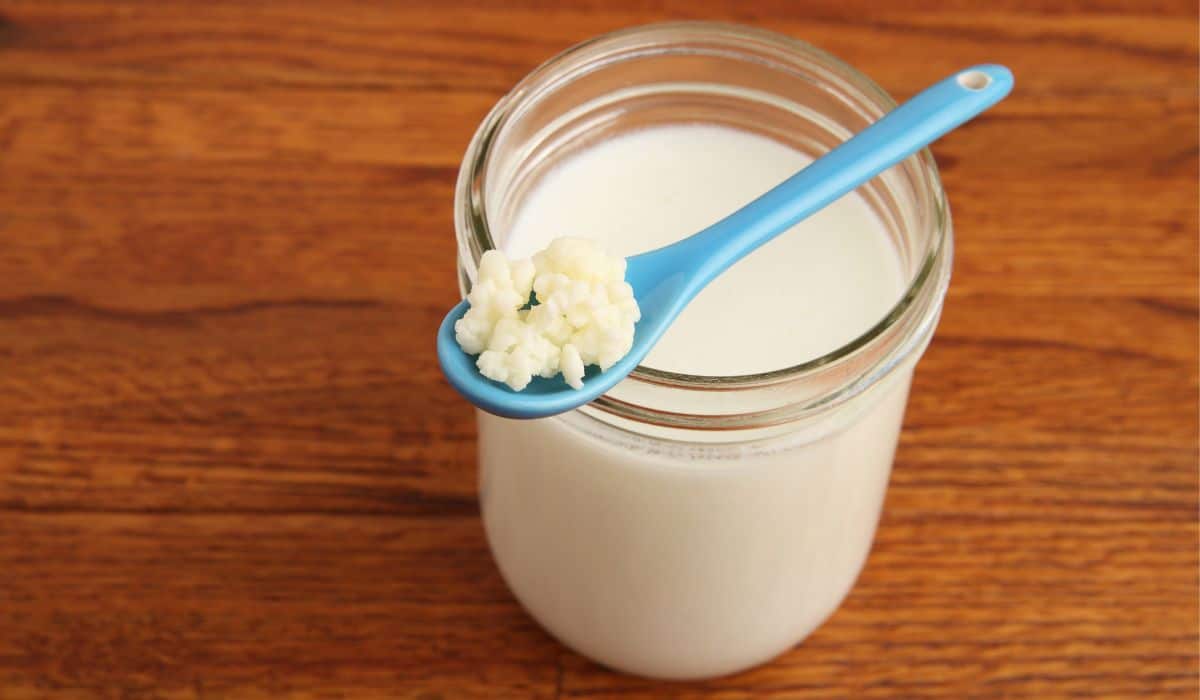
Fermenting milk kefir is not always easy. If left too long it will over-ferment, look weird, smell bad, and taste sour. The good news is that your kefir is not ruined, and there are still good uses for it.
As long as your kefir has not been over-fermenting too long, there is still hope. Most of the time kefir grains won’t go bad from just a couple of days of over-fermentation. An ounce of prevention is worth a pound of cure, so try to avoid over-fermentation as much as you can!
In this article, I will tell you about 11 different ways to use over-fermented kefir that will help you make good use of it so it won’t go to waste. I have also added some tips on how to prevent milk kefir from over-fermenting.
TIP: Read my article about water kefir vs milk kefir to find out exactly what the difference is and which is best!
11 Uses for Over-Fermented Kefir
Fermenting kefir properly depends a lot on the temperature. Hot temperatures speed up the process, and cold temperatures slow it down, so it’s easy to misjudge the timing and over-ferment kefir. Over-fermented kefir tastes very sour and can be hard to drink.
Over-fermented kefir doesn’t need to be thrown out, it can be used in other ways. Here are 11 uses for over-fermented kefir:
#1: Add More Kefir to Make It Mild
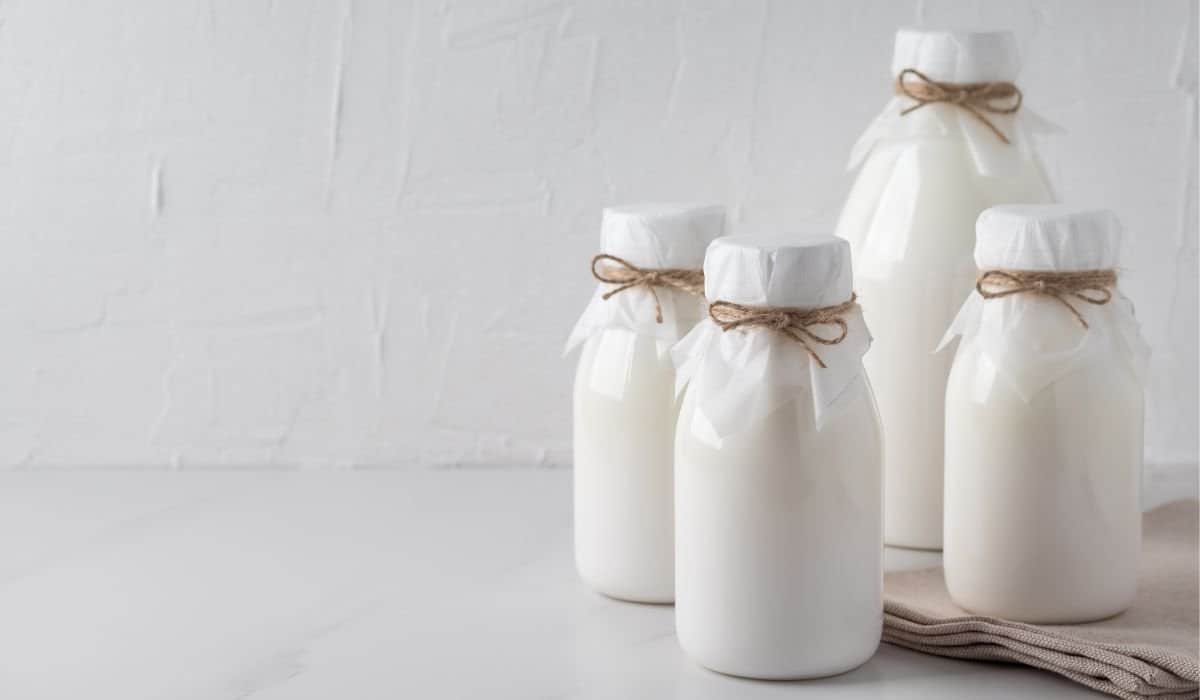
Over-fermented kefir can be added to a fresh batch of kefir to reduce the sourness. Whisk or blend the mix and you will get kefir that might not taste brand new but will be much better than it was. Whey or milk can also be mixed in to dilute the sour flavor.
The main problem with over-fermented kefir is its taste and smell. If you want to lessen the sour flavor, blend it with other less sour or even sweet dairy products. This will make the flavor more tolerable and even enjoyable.
HOT TIP: Try out different blends to get the best results and find what you like best!
#2: Start from Scratch
When kefir gets over-fermented, it curdles and separates. The liquid whey will separate from thicker kefir. The good thing about this stage is that the kefir hasn’t gone bad yet and it is still usable.
You can visibly identify the mass of curds when they start separating from the whey portion of the kefir. Pour the entire batch into a bowl and fish out the grains with a slotted spoon like this one from Amazon, or use clean hands. The best way to do it is to strain them. If done properly, the kefir grains can be reused in the next batch.
#3: Over-Fermented Kefir for Baking
Kefir can be a baking ingredient that substitutes milk or buttermilk and brings variety to your baked goods. It adds both taste and texture to any baked goods. Although over-fermented kefir is quite sour, it still works great in baking.
You can use your overly sour kefir in baking recipes such as:
- pancakes
- muffins
- biscuits
It will work as a great souring agent. You may want to mix in other dairy products if it’s too sour.
#4: Smoothies with Over-Fermented Kefir
You can use over-fermented kefir to make smoothies. They are just tasty and refreshing, plus are packed with all sorts of nutrients and probiotic benefits.
NOTE: Kefir has great probiotic benefits and it blends nicely with drinks.
Use a good mixture of frozen and fresh fruits, and if needed, use other dairy products to balance out the strong flavor of the kefir. All you have to do is blend the mixture until it’s smooth!
#5: Make Sour Ice Cream
There are a lot of sour flavor ice creams, put your over-fermented kefir to good use and make homemade ice cream. It will give any ice cream a sour undertone.
Kefir is a good alternative for sour cream in ice cream recipes. Use over-fermented kefir as the base of homemade ice cream. It’s a very good way to use extra kefir or in this case, over-fermented kefir. Sour kefir ice cream is delicious with:
- vanilla
- cocoa powder
- strawberries
- dark chocolate
#6: Sour Kefir Cheese
Making kefir cheese is a good way to use up extra kefir or over-fermented kefir. To make cheese with over-fermented kefir, strain and separate the kefir first.
To strain, pour the milk kefir into one of these types of cloth, (I’ve linked to the product on Amazon where available):
- cheesecloth
- cloth bag
- tight cloth
Drain off the whey, wrap the cheese in a storage cloth like this one, and place it in a colander. You can mix salt and other flavors into it at this stage. Kefir cheese is a little strong-flavored, so keep that in mind when pairing it with food.
#7: Kefir Salad Dressings
You can use kefir in any kind of salad dressing that calls for a sour kick. Mix other strongly flavored ingredients to mask the kefir taste if you don’t like the flavor. Make it with fresh ingredients and the kefir will add gut-friendly probiotics for a healthy dressing.
To make salad dressing, use over-fermented kefir to replace:
- yogurt
- sour cream
- buttermilk
Use adequate amounts to your liking of:
- lemon juice
- salt
- pepper
- garlic
- spices
- herbs
Boom! Just like that, now you have a tasty salad dressing or dip for your favorite vegetables!
#8: Make Healthy Kefir Popsicles
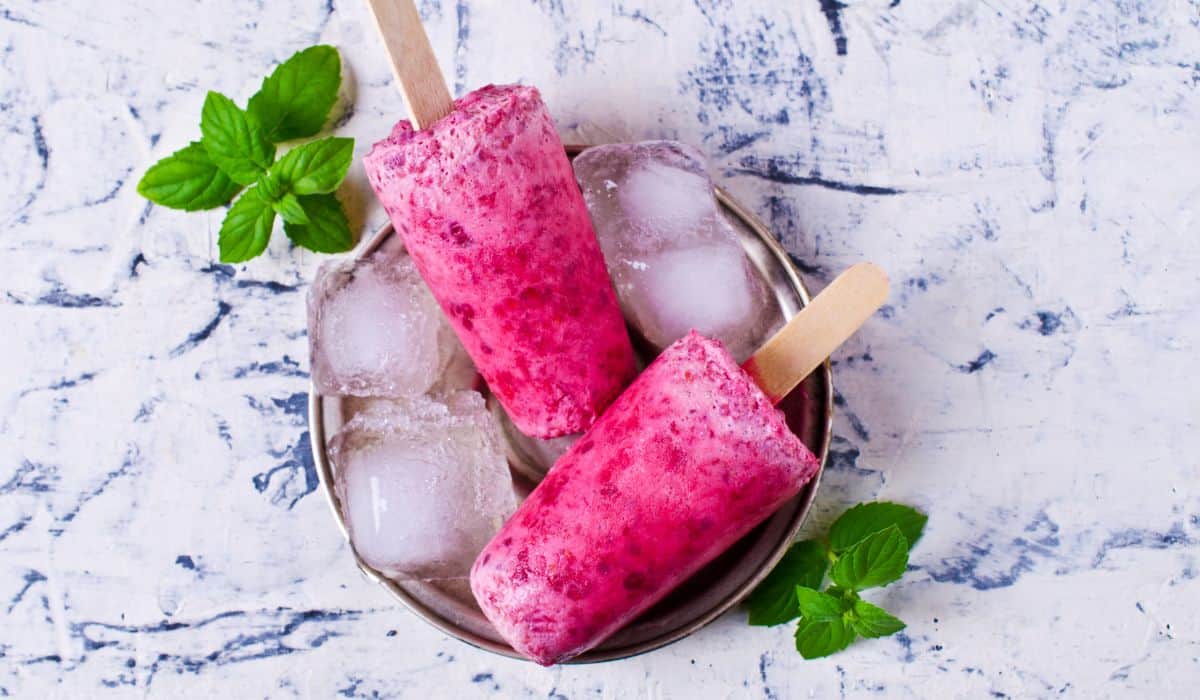
Kefir is good for digestion and is a great addition to homemade popsicles, making them a healthy dessert alternative. This recipe is great for over-fermented kefir too.
Making healthy kefir popsicles is easy. First, blend these ingredients until smooth:
- kefir
- frozen fruit
- honey
Pour the blend into popsicle molds, and freeze. It’s as simple as that! Try different amounts of kefir and honey to find a taste and balance best for you.
#9: Over-Fermented Kefir Parfait
Everyone loves a parfait. They are so tasty as well as:
- smooth
- creamy
- fluffy
Use over-fermented kefir to make the creamy layer of a parfait with a combination of:
- yogurt
- sour cream
- kefir
Complement the creamy layer with fresh delicious fruits.
- Add berries and bananas for sweetness with lower sugar content.
- Add a little fruit chutney to boost the flavors.
You can make different kinds of kefir parfaits, such as:
- vanilla
- strawberry
- chocolate
#10: Use Kefir for Skin Care
It may sound weird at first, but the good bacteria in kefir can actually help to heal your skin, and get rid of dead skin.
There are many different ways to make a face mask using over-fermented kefir. Try these ingredients:
- cucumber juice
- egg white
- egg yolk
- raw kefir
Simply apply it to your skin and rinse it off after 15-20 minutes.
#11: Use Over-Fermented Kefir in Everyday Dishes
Kefir isn’t only good for baking and desserts, it can be added to dishes you eat daily. Use it in mashed potatoes or your favorite soup, or try out the sour flavor of over-fermented kefir in a barbecue chicken dish.
Other ways to use over-fermented kefir in everyday cooking:
- as a marinade
- to tenderize and flavor meat
- dip chicken in it to make fried chicken
Why Does Kefir Get Over-Fermented?
If the process of fermentation goes on for too long and there is too much culture then it is called over-fermentation. Most cultures have a recommended environment and time for fermentation. If they are not followed properly, the culture may get over-fermented.

Here are some of the main reasons why kefir gets over-fermented or separated:
- Left to ferment too long: The recommended time to ferment milk kefir is a little more than 24 hours and 48 hours for water kefir. If left for longer, the kefir will start to separate. Place them in the fridge if you’ll be away for any length of time.
- High temperature: Kefir cultures very quickly at a warmer temperatures. Anything above 77 degrees Fahrenheit is considered too warm. Depending on the temperature, milk kefir can start to separate as early as 12 hours. So, be sure to keep an eye on it.
- Too many grains: Given the right condition, kefir grows very quickly. Kefir grains are extremely active and strong. They multiply quickly and before you know it, the grains will need more milk. You may think that your kefir is not done because it’s thin, but it’s the opposite. If you do not add enough milk, they will ferment the milk faster.
- Don’t ferment too much at once: Only culture enough so that you can use it at the right time. Leave the rest in the fridge, or share them with your friends.
How to Tell If My Kefir Is Over-Fermented?
If it’s your first time fermenting kefir, you might be very concerned about the process and how to tell it’s overdone. It’s easy to tell if kefir is over-fermented, these are the main signs to look out for:
- the whey is separated from the milk
- a brownish liquid piled up on the bottom of the jar
- the rest of the mix floating on top
One of the biggest changes in over-fermented kefir is the taste. The kefir will taste very sour if the brew has fully separated. Sometimes giving it a good stir to mix it back again can it from over-fermenting. Then, move the kefir to a colder place like the refrigerator to slow the fermentation down.
Water kefir doesn’t change much in appearance during fermentation. When water kefir is finished, it still tastes sweet but will become sour as it over-ferments. If left for a very long time it may become too sour to drink.
The smell of kefir also changes depending on the stage of fermentation. When over-fermented, it may smell like vinegar. Some people claim that over-fermented kefir smells like vomit.
Is Over-Fermentation Bad for Kefir?
As long as you haven’t been fermenting your kefir for too many days, it should still be okay. Over-fermented kefir doesn’t mean it’s rotten. As you’ve already read in this article, there are many uses for over-fermented kefir. Some may even like the taste of kefir fermented a little longer than usual.
If your kefir has started separating, you don’t need to throw it out in the trash yet. It’s still usable and the probiotic effects of the kefir are still there. Most of the time, you can:
- give it a good whisk
- add some more milk or water
- then drink it normally
If kefir is over-fermented, it’s probably better to not serve it to guests. Not everyone likes the sour taste or smell of over-fermented kefir.
Although over-fermentation is not bad in the case of kefir, it can be problematic for other products. For example, over-fermented dough will:
- taste too sour
- lose its structure
- be hard to bake with
How to Prevent Over-Fermentation?
As I’ve said earlier, there are some key reasons for over-fermentation. So, if you keep a close watch on these factors, you can prevent it from happening. Here are some tips to help you prevent over-fermenting your kefir:
#1: Pay Attention to The Temperature
The hotter the environment is, the faster the kefir ferments. Ensuring the right temperature is the most important part of fermentation. If the environment is warm enough, around 72 degrees Fahrenheit, the kefir will develop properly. If it’s too cold, your kefir will stall and not ferment at the right time. Also, if the environment is too hot, the kefir will ferment too quickly and start separating.
Room temperature is fine depending on where you live. In hotter areas, you might need to place the kefir in a place with cooler air. Similarly, if your area is too cold, you should select a warmer spot to keep your fermented kefir.
#2: Reduce the Number of Grains Used
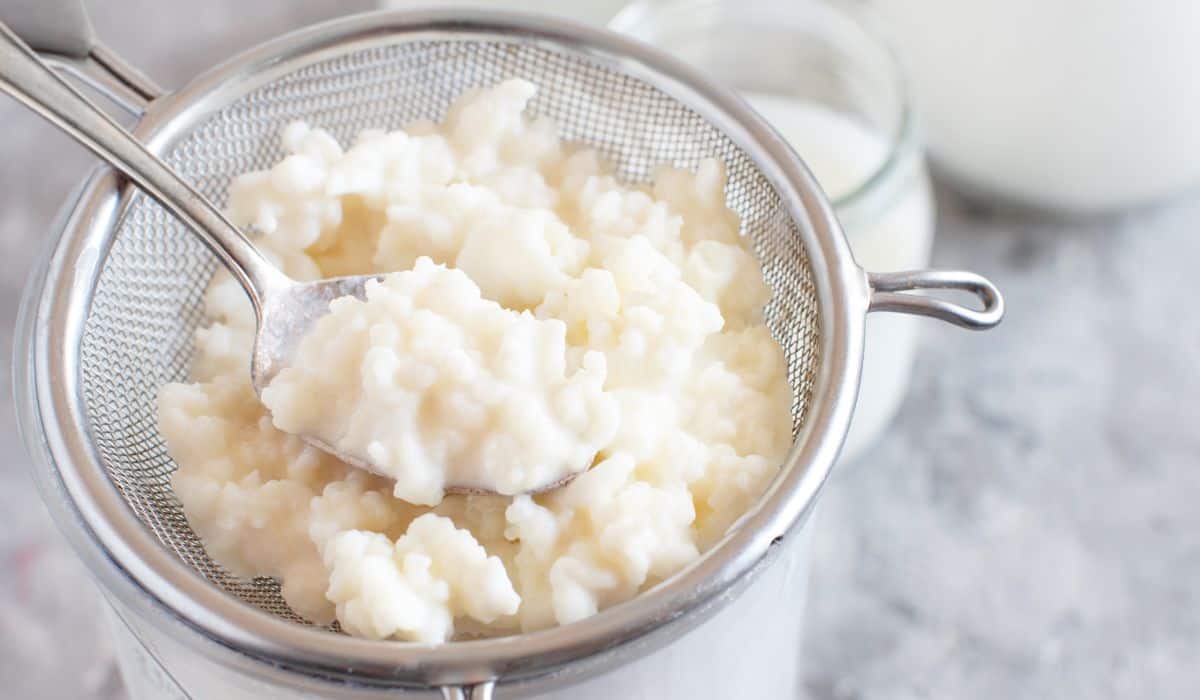
Using too much grain is one of the reasons for over-fermentation. Try reducing the number of grains to see if it changes the result. If you’re using too much grain but not enough milk, your kefir will ferment really fast. Kefir grains multiply very quickly, and the liquid may look thin at first sight, but it’s actually the other way around.
If too many grains have been added, you can add some milk to balance it. If the grains have increased and you have not added enough milk, they will ferment faster and you might not notice the kefir is ready and thick, leading to over-fermentation. So, make sure to use the proper amount of milk with the right amount of kefir grains.
#3: Observe How the Kefir Develops
Check the brew every once in a while, to monitor how it develops. Make sure it isn’t separating, and take a little taste to see how it is. It is often best to start fermentation at night before bed and check on them first thing in the morning.
#4: Keep Track of the Time
Make sure to keep track of the time when you’re fermenting kefir. If you have the proper environment, milk kefir will ferment in 24 hours and water kefir in 48 hours. If you are going away on vacation, I recommend keeping your kefir brew in the fridge.
But remember, the fermentation speed depends a lot on temperature. So, if you don’t have proper control over the temperature, pay closer attention to the condition of the brew. Even a temperature rise of 3-5 degrees can cause the kefir to ferment much faster.
Fermenting food properly is not easy. To do it smoothly, you need:
- patience
- dedication
- to keep track of various factors
Follow all of the tips mentioned here and you’ll be a fermentation master in no time.

Conclusion
Fermented kefir is a versatile and probiotic food that can be used in a lot of different recipes and makes them healthier. If you’re not experienced at fermenting, you may over-ferment your kefir mix. However, as seen in this article, over-fermented kefir can still be used in many different ways.
Kefir is very nutritious and rich in probiotics. Over-fermenting doesn’t make it lose its nutritional value. So, it’s safe to use over-fermented kefir in any kind of recipe. With proper care and practice, you can master the trick of fermenting kefir very fast. It’s not that complicated once you get the hang of it!
You might also be interested in:

Why Kefir Can Turn Alcoholic And What To Do

Water kefir has such a mild taste that any alcohol in the water will be far more apparent than the alcohol in other fermented products such as kombucha. Water kefir does not contain more alcohol than other naturally fermented drinks; it may only taste that way due to this mild taste. However, many people find themselves asking if kefir can turn alcoholic and what to do if it does.
Water kefir can turn alcoholic if it is left to ferment for long periods of time or if it is left in the fridge. The yeast in it creates more alcohol as it breathes less in colder temperatures. Avoid leaving it to ferment for too long to prevent higher levels of alcohol.
Water kefir is a simple beverage to make, but it can be a fairly complicated process to oversee. It can be tricky to determine when it is done and if it was done well. Let’s take a look at water kefir, its alcohol levels, and what to avoid in the fermentation process.
Why Does My Water Kefir Taste Like Alcohol?
If your kefir water already tastes like alcohol, it is most likely that the natural fermenting process has produced naturally occurring levels of alcohol.
All fermented drinks will contain some level of alcohol in them. However, if it is done correctly, these levels will only stay around the range of 0.2% or 0.5%. Many alcohol-free beverages still contain these levels, but they are so low that they are considered alcohol-free.
Your water kefir will likely not contain levels of alcohol any higher, especially if it has only been fermenting for a couple of days in the recommended fermenting conditions. However, it may taste like there is more alcohol in it than there actually is, because water kefir has an extremely mild taste, whereas alcohol has a taste that is:
- robust
- distinct
- noticeable
If there is any level of alcohol present in your water kefir, the chances are high that the alcohol will be the only thing you taste. It might seem like the alcohol levels in your water kefir are very strong when in reality they are not.
NOTE: If you need a refresher on how to make your own water kefir from scratch, read my full guide here!
2 Things To Do If The Alcohol Level Is Too High In Kefir Water
If you do not want any alcohol levels (higher than 0.2% to 0.5%) present in your water kefir because you do not wish to consume alcohol, here is what to do.
For example, if the water kefir is for children or for a woman who is pregnant, it may be safer to start the fermentation process from scratch if you can taste a fair amount of alcohol in it.

Something may have occurred in the fermenting process that increased the amount of alcohol being produced in your kefir water. If there is a high enough alcohol level in the water, it may even be considered an alcoholic beverage.
If you are okay with your kefir water now containing alcohol in it, you can turn it into a tasty drink and enjoy it.
Start by removing the kefir grains from the water. Add some dried fruit to it and let it sit in the water kefir for one to seven days. This will add a great fruity punch to your now-alcoholic beverage.
You can then pour this mixture into a glass with some ice, and enjoy it on a hot day! The great thing about this is that water kefir is still a great source of nutrients and good gut bacteria, so it will still be healthy even with higher levels of alcohol.
If you are not happy with higher levels of alcohol in your water kefir, you can do one of two things:
#1: Start From Scratch
You could start the fermentation process of your kefir water again, making sure that it does not form high levels of alcohol in it this time. Try leaving it in a warmer environment than you previously did (not too warm, though), and leave it for a shorter period of time before consuming it.
#2: Dilute It When You Drink It
When you drink water kefir which may have higher levels of alcohol in it, simply dilute it by adding one to two tablespoons of kefir water to a glass of water or another chosen beverage. This way, you will still get all the health benefits of the water kefir, but with very low amounts of alcohol that may be present in it.

What Causes Alcohol In My Kefir Water?
Water kefir is made with a mix of kefir grains and sugary water mixture which starts a natural fermentation process that produces excellent gut-health-promoting bacteria. But, as with any natural fermenting process, it will also produce alcohol.
The alcohol produced in this process is just a natural by-product of fermentation that happens in the water kefir, but if you manage the fermentation process correctly, you will be able to avoid large amounts of alcohol being produced.
What causes high amounts of alcohol? Well, one thing that is known to cause the levels of alcohol to be higher in your water kefir is higher levels of sugar.
HOT TIP: The more sugar you use in your sugar-water mixture, the more alcohol you can expect out of your kefir water.
Another contributing factor that causes more alcohol in your water kefir is the temperature. The colder the environment, the more alcohol. If you left your water kefir in the fridge while it was fermenting, the colder temperature would cause the yeast to respire less and produce more alcohol.
In the end, the fermentation process that causes the good stuff in your water kefir is the same process that will cause alcohol, so manage the fermentation process wisely. Monitor it closely to ensure the alcohol levels stay at a minimum.
Can You Drink Kefir Water That Has Alcohol In It?
Given that you have not just found a bottle of kefir water that you made six months ago, and had forgotten about that now smells like pure vodka, you can usually drink your kefir water if it has alcohol in it without a problem.
Fermented products should always be consumed with caution and should not be consumed if left for longer periods of time than have been recommended. There are still bacteria in these products, and if they have not been managed well, they could be harmful.
With this being said if you have managed your kefir water well and have been maintaining it and keeping a close watch over the fermenting process, but it now smells like alcohol, this kefir water is usually still perfectly safe to consume.
As we have discussed in length, there are certain factors that can contribute to water kefir having higher levels of alcohol, and as long as the fermentation process was handled safely and correctly, you can definitely still drink it.
Conclusion
All kefir water contains minimal amounts of alcohol in it due to the fermentation process, although it will generally not be considered “alcoholic” due to it having such a small amount.
Water kefir can turn alcoholic when exposed to:
- higher levels of sugar
- cold temperatures
- sitting for long periods of time
If having alcohol in your water kefir is not something you want, try to avoid these situations when fermenting.
Always be cautious when working with fermented products, and if your kefir water ever smells incredibly strongly of alcohol, or does not smell right in general, instead discard that batch of kefir water and start from scratch. When it comes to bacteria, always stay on the cautious side and rather be safe now than sorry later.
You might also be interested in:
- 4 Effective Ways to Improve Sour Kefir
- What to Do With Over Fermented Kefir: 11 Uses
- Should Yogurt Have Lumps?

4 Effective Ways To Improve Sour Kefir

Kefir is a fermented milk-based product used by people worldwide who are following a healthy, balanced diet. Milk kefir contains probiotics and various vitamins and minerals. Kefir can be used in many ways to produce tasty drinks, yogurts, and cottage cheese. But what can you do if your batch of kefir turns out to be too sour for your taste?
Kefir is an acquired taste. If the kefir culture is too sour for you to eat or drink, the flavor can be improved by following these four easy steps:
- Check the kefir grains daily.
- Check the temperature when fermenting.
- Ferment a second time.
- Add flavor to the kefir culture.
There are many ways to use kefir grains to produce the final product that we eat or drink, but what happens if the kefir is too sour for us? Are there ways that we can improve the taste so that we can use the product and not discard it? We have put together some ideas to reduce the sour taste of your kefir and suggested ways that you can make use of the kefir other than simply drinking it.
Why Is My Kefir Sour Sometimes?
There are many reasons why your kefir could be sour to the taste and even have a sour smell. Kefir ferments quickly when not kept in the refrigerator, especially if your room temperature is on the warm side. If left out on the counter for longer than usual, the grains could grow and multiply at a rapid rate, using up the milk before you can top it up, and make it taste sour.
When it is left in the refrigerator for a time, the kefir ferments at a slower rate. This gives you more time to manage your kefir ferment if you are not using it every day.
The longer the kefir is in the fridge, the more the bacteria will consume the milk’s sugar and it will become more sour and thick. Thus, the refrigeration ferment may still get too sour for you, but it will take a longer time to get to this point.
Cow or goat milk is needed to feed the kefir grains, but you can substitute the dairy with other products like coconut milk or almond milk. The kefir grains need lactose in the dairy milk to stay active, so don’t use more than 50% non-dairy in your mix.
NOTE: Interested in water kefir? Check out my water kefir guide including benefits, recipes, FAQs, and more!
4 Quick Ways To Improve Sour Kefir
If the taste of sour kefir is too much for you, there are ways that you can remedy the taste so that it is more suited to your palate and can be used rather than thrown away.
Try out our suggestions to see which one works best for you and improves the sour taste of your kefir.
#1: Check The Kefir Grains Daily
Making kefir maintenance part of your daily routine is the best way to prevent your kefir culture from becoming too sour, so check the grains daily. The longer that the grains are left in the milk to ferment, the stronger and thicker the kefir culture will become.
You may need to split the grains into two bottles the next time you strain them, to thin them out a little. If the fermented culture turns lumpy or resembles cauliflower, there are too many grains in the bottle, and they need to be separated into different bottles before the next use.
The more kefir grains that are present, the more bacteria there are, and the faster the ferment will occur. The faster the ferment happens, the greater the chance that your kefir will become too sour for your preference.
If you have had your grains for a while, they can become sour just because they are older. To help bring down the grains’ acidity levels, you can drain them from the milk and place them into a bottle of spring water for 24 hours, which you can buy on Amazon. Place them back into fresh milk, and they should be fresher and less acidic.
HOT TIP: It is important to use pure water or filtered water that has no added chemicals since tap water with its added chlorine and fluoride will kill your kefir.
#2: Check The Temperature When Fermenting
If your countertop or pantry shelf temperature is a little too warm, the grains will use up the lactose in the milk quicker than on a cooler day. If you cannot strain, feed, and attend to the kefir grains every day, leave them in the refrigerator in a jar until you have the time. This should slow down the fermenting process for a while.
Colder temperatures will slow down the growth of the grains. Separate the kefir liquid from the grains by pouring the liquid into a clean jar like this one on Amazon, and storing it in the refrigerator for a few days until needed.
NOTE: The longer the kefir is unused, the sourer it will become.

#3: Ferment A Second Time
Sour kefir will taste better if you ferment it a second time. Here are the basic steps:
- Drain the grains from the liquid.
- Pour the liquid over the grains once more.
- Add some fruit peel.
The bacteria will feed on the fruit peel, making the kefir less sour and giving it a sweeter taste.
The next time that you pour the grains through the strainer, discard the peels or replace them with fresh peels if you enjoy the added taste in the kefir.
This method is not only effective, but you may find that you prefer the additional fruity flavor that the peel adds to the kefir!
#4: Add Flavor To The Kefir Culture
This is the fun part of improving the taste of sour kefir. You can add many ingredients to the sour kefir to give it a more pleasant smell and a fantastic taste.
After the grains have been strained out, add your own favorite ingredients or anything from the list below to your kefir:
- Fruit: Chop up your favorite fruit and leave whole slices in the kefir culture, or mashup and mix into the liquid. This makes a delicious milkshake.
- Make tasty smoothies: Many of your favorite fruits can be added to a smoothie. Add the kefir culture to taste, along with a spoon of sugar or a drop of honey.
- Add vanilla or lemon extract: A teaspoon or two added to the sour kefir culture will significantly improve the flavor and make it less acidic.
- Honey or sugar: Added directly to the kefir culture a teaspoon at a time, not only to be used in a smoothie.
- Cocoa: Chocolate makes everything taste better! Add according to your taste.
- Mix into yogurt: Add a tablespoon full into your favorite flavored yogurt. Not only will it taste fantastic, but the kefir culture will add additional probiotics to the goodness of the yogurt.
- Use over cereals: Your daily bowl of cereal or oats will become a superfood with a tablespoon of kefir culture over the top.
- Add seeds and mix: Chia, pumpkin, or even sunflower seeds can be mixed into a kefir drink. Try adding honey for extra flavor.
What Else Can I Use Sour Kefir For?
While sour kefir has many uses, it does seem to be an acquired taste amongst kefir lovers. Sour kefir is a flavor that can be used in many dairy-based recipes or enhance the taste of other kefir-based products.
To remove some of the sweetness from the original product, many people like to mix sour kefir into:
- cottage cheese
- cream
- yogurt
Used as a base product, sour kefir can be turned into a healthy way to make:
- cottage cheese
- cream
- yogurt
- starter culture for sourdough bread
- used in cooking and baking
NOTE: Check out our sour kefir recipes later in this post!
Adding flavors to the kefir will take away some of the sourness and make it sweeter so that it can be used as a milkshake or simply as a glass of healthy kefir.

Is Sour Kefir Good For You?
The name “Kefir†is translated from Turkish to mean “good feeling,†so it doesn’t matter whether you like to eat your kefir when it is sour or a little sweeter. Kefir is great to eat at any stage of its development. Kefir is known to promote good digestion and gut health as it contains around 30 unique species of probiotics or good bacteria.
Kefir is used as an alternative treatment for many modern-day ailments. Many studies have been done on the healing properties of Kefir. Kefir truly is a superfood and can sometimes aid and benefit the treatment of several health issues, such as:
- osteoporosis
- digestive problems, including IBS
- relives allergy and asthma symptoms
- blood sugar control
- lowering cholesterol
Disadvantages Of Sour Kefir
The only disadvantage that has been reported for using kefir is from people who have digestive and stomach problems and are intending to use kefir as a supplement to their usual medication.
The probiotics in the kefir can cause gas and bloating at first until the gut becomes used to the kefir. This generally stops once the gut is used to the probiotics. If not, stop using the kefir and consult your doctor.
NOTE: If you do buy commercially grown kefir products, check the labels for the sugar content, as sugar is often added to sweeten the product.
Some people do not enjoy the taste of sour kefir and may be dissuaded from ever using the product again, despite its wonderful health benefits.
How To Know If My Kefir Is Off
Occasionally, kefir grains can go bad or die. If and when this happens, you will know about it by the following signs:
- If it smells terrible, much worse than the usual kefir smell, chances are it is off.
- The sour taste is too acidic even for the seasoned tastebuds!
- There is mold on top of the kefir culture, fuzzy growth, or pink and orange spots on the top. This should be discarded immediately.
- If it has separated into water and heavy chunks, it is definitely off!
Before discarding the kefir due to any of the above reasons, check to see if it can be salvaged first. You might be able to use it in baking and cooking if it is chunky but not if it is moldy. Giving it a good shake should mix the water and chunks back together, then perhaps it could be used to make cottage cheese.
Recipes Using Sour Kefir
Homemade kefir is one of the best products to use in your cooking and baking. For healthier recipes, you can use kefir culture to substitute for:
- eggs
- milk
- oil
I’ve put together some of my favorite, easy-to-make recipes using kefir, particularly sour kefir culture.
#1: Kefir sour cream
Use your own homemade kefir to produce rich, thick, creamy sour cream to be used in any sweet or savory dish—a great way to use your kefir culture if it is a bit too sour for you.
Ingredients
- 1 pint (560ml) heavy cream – preferably organic
- ¼ cup milk kefir grains
Instructions
- Pour the cream into a glass jar.
- Add the kefir grains to the jar.
- Cover the top of the jar with a paper coffee filter and an elastic band.
- Place on the counter away from direct sunlight for 24 hours.
- After 24 hours, if the cream is thick enough and sour enough for your taste, strain out the grains using a nylon mesh strainer like this one sold on Amazon. If you would like the cream to become thicker or sourer, leave it for a few more hours. Check regularly to keep it from going bad.
- Put the grains into fresh milk and store them in the refrigerator until you want to use them again.
- Use the thick sour cream as you normally would.

#2: Kefir Yogurt
Yogurt made from kefir is delicious! The process may take a while, but it is well worth the trouble for healthy homemade yogurt!
Ingredients
- 1/2 gallon (2 liters) whole milk
- 1/2 cup (125 ml) kefir culture (not the grains)
Instructions
- Pour the milk into a pot and place it on the stove.
- Warm the milk over warm heat, constantly stirring for 30 minutes. The longer that the milk is cooked, the thicker the yogurt will be.
- Take the pot off the heat on the stove and leave the milk to cool.
- Add the kefir culture to a glass jar and pour the cooled milk over. Mix.
- The lid of the glass jar should be covered with a paper coffee filter, and an elastic band.
- Keep the filled jar in a warm spot for 24 hours.
- Wait for the mixture to thicken, and it is ready to eat.
- Spoon out small portions at a time into a clean bowl, add your favorite toppings, and enjoy!
#3: Kefir Cream Cheese
This is a very clever way to use up really sour kefir culture. The texture of the cheese is perfect for spreading on bread and crackers and keeps in the fridge for a long time. Check it often, as it may get thicker over time.
Ingredients
- 1/2-gallon (2 liters) kefir culture (not the grains)
Instructions
- Place two layers of clean cheesecloth, sold on Amazon, over a strainer.
- Pour the kefir culture into the strainer, and allow the whey to pass through the strainer into a bowl.
- Gather the cheesecloth around the kefir and squeeze to get rid of any more liquid.
- Pour the kefir into a container.
- Add chopped onions, chives, bacon, or any flavoring of your choice to the kefir cream cheese.
- Use as desired.
- Store the whey for later use.
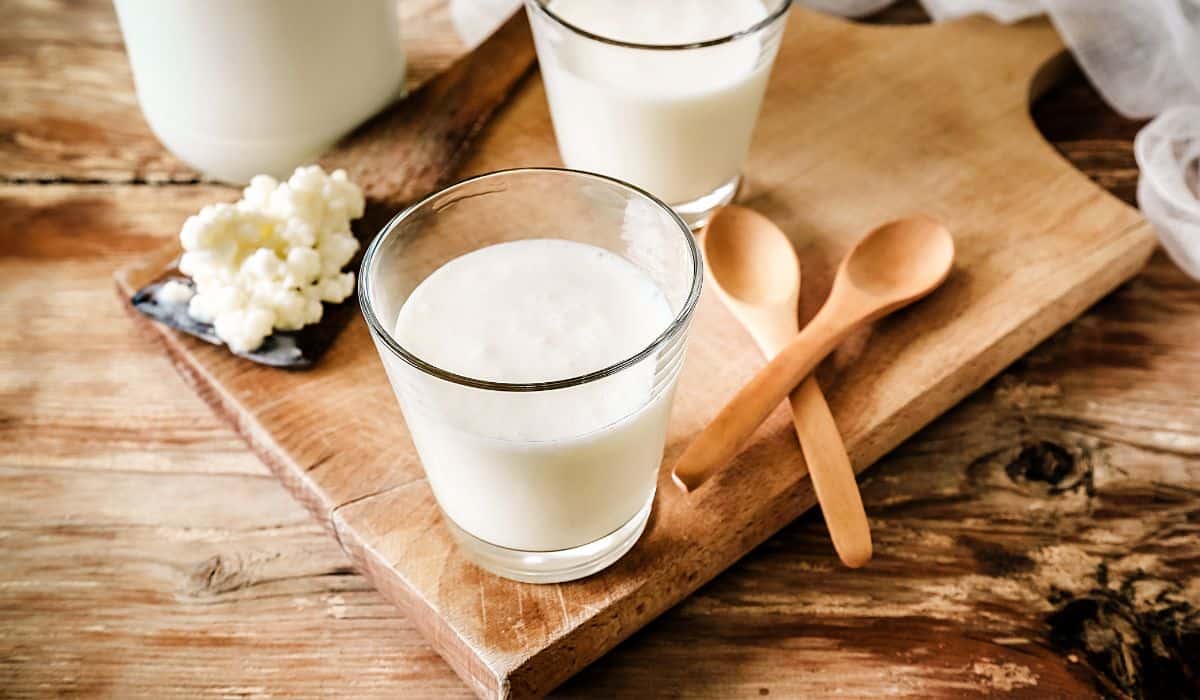
Conclusion
Kefir is versatile, healthy, and with so many good properties it is hard to think of it as a food that some people cannot eat because of its taste.
Using sour kefir is a matter of personal choice. While there is no good or bad reason to use kefir when it is sour, there are no harmful side effects if used before it goes “bad.†If you are not sure about the quality of the grains or the kefir culture, it is best to throw them out and start again.
You might also be interested in:
- Why Kefir Can Turn Alcchoholi and What to Do
- What to Do With Over Fermented Kefir: 11 Uses
- Should Yogurt Have Lumps?

Does Miso Soup Go Bad? Here’s How you Can Tell
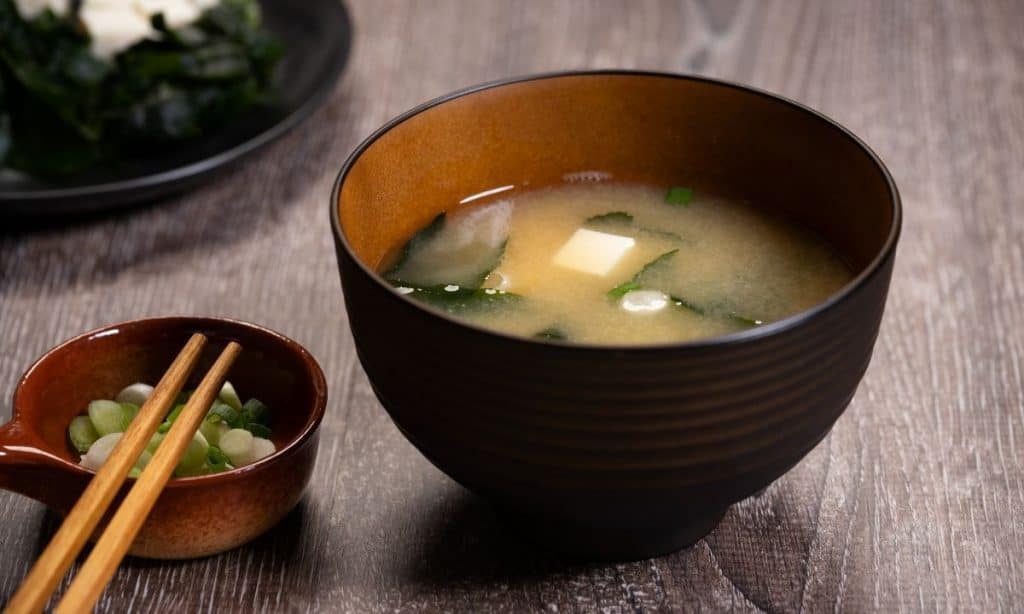
Miso soup is a great tasting and very healthy food. It contains miso paste, which is known for lasting a very long time without going bad, and because of this you may be wondering, does miso soup go bad? Or can it also last up to a year in the right conditions?
Miso soup does go bad. If the soup is kept in the fridge, it can last for 2 to 3 days before it goes bad, but it can go bad if kept for longer. So, do not treat miso soup the same way that you would treat miso paste (which may last up to a year when kept in the fridge), assuming it will last long.
What exactly goes into miso soup that can cause it to go off when miso paste on its own can last so long then? What makes this soup have such a short timeframe for when it is suitable to eat it? Let’s take a closer look.
Does Miso Soup Go Bad?
Miso soup can go bad, and it could happen in a relatively short period of time. The reason so many people often think that miso soup won’t go bad is because of the longevity of the miso paste itself.
Miso paste is a fermented product, and it also contains a lot of salt, making it a very well-preserved product that can last up to a year in the refrigerator. Miso paste hardly ever goes off, making it an easy product to store for long periods of time. If you’re interested in making your own miso soup, I like this miso from Amazon.
However, this does not mean that miso soup will be the same. Remember that miso soup is still a fresh product that contains other ingredients in it that can still go off quickly.
The fresh ingredients that are used in miso soup can vary, but alongside miso paste, often other products that are used in miso soup include seaweed, tofu, and fresh vegetables.
Due to the fact that this soup also contains miso paste, a product that is so high in probiotics, it actually leaves the soup at a greater risk of going bad quicker due to the live bacteria in the prepared soup.
How Long Until Miso Soup Goes Bad?
Miso soup will generally only last for a few days after it has been made before it will go bad. How quickly it goes off will also depend on how you store the soup.
Once you have finished eating your miso soup and you are ready to pack the left-over soup away, you should start by allowing the soup to cool down entirely. This can sometimes take hours, but have patience because it is important.
Once the soup is completely cooled down, you will need to put it in an airtight container and store it in the fridge.
Miso soup that is stored in the fridge will usually last two to three days before going bad – this is a relatively short amount of time to be able to store something in the fridge before it goes off, but as was discussed, miso soup has live bacteria in it.
DID YOU KNOW? The live bacteria in miso soup is incredibly good for you and for your gut health as it is so rich in probiotics. This soup also contains many other minerals and vitamins that your body needs, such as vitamin K, vitamin E, and folic acid, to name a few.
Fresh food products that do not have preservatives in them do unfortunately go bad quicker than foods that are not fresh and that are full of preservatives.
So, even though it may feel frustrating that your miso soup would go bad so quickly, just remember that it is actually a good thing, as it indicates that the miso soup is a fresh and high-quality food – and sometimes the price you pay for fresh and high-quality food is that you will not be able to keep it as long.

How Do You Know if Miso Soup Has Gone Bad?
There are a few different key ways that you will know whether or not your miso soup has gone bad or if it is still fine to eat. However, if you are ever unsure of whether or not it has gone bad, it’s best not to eat it.
Eating miso soup that has gone bad can give you food poisoning, or at the very least, cause some intestinal distress. So when it comes to old miso soup, if you are unsure it’s best to play it safe rather than be sorry that you ate it.
Some of the signs to look out for when it comes to telling if your miso soup has gone bad include:
- A bad smell – miso soup has a very unique smell, but if this smell ever changes and develops a pungent or sour smell, throw it away as there is a high chance it has gone bad.
- Mold – this should be a fairly obvious one; however, if there is ever any mold that has started to grow on your miso soup it is a good indication that the soup has gone bad. Do not try and scrape the mold off and eat the soup, just throw the soup away.
- If it’s older than a week – with miso soup only lasting about 2 to 3 days in the fridge before going off, if you have some left-over miso soup in your fridge from last week do not eat it. There is a very high chance that it will no longer be suitable for consumption.
If there are ever other abnormalities in your leftover miso soup, such as discoloration or anything else, it’s better to discard the soup than take the risk.
How Long Does Miso Soup Last Out of The Fridge?
Leaving miso soup out of the fridge is a risky thing to do. Miso soup only lasts two to three days in the fridge, so without being kept in a cool environment to help it keep fresh for as long as possible, chances are that your soup will not stay edible for very long.
The exception to this, however, is the possibility of leaving your soup out on the stove overnight.
If you are wanting to cook your soup a day in advance for whatever reason, you can do the following:
- Prepare and make your miso soup just as you normally would.
- Once the soup is finished, put the lid on your pot, and turn the stove off.
- Leave your soup in the pot with the lid on overnight (once the oven plate has completely cooled down, you can even wrap a kitchen tea towel around the pot and put one over the lid to keep as much warmth in as possible.)
- When you wake up the next morning, warm the soup up again on medium heat for around 10 minutes to make sure it has warmed up all the way through, and you can then serve your soup when ready.
This is not a fail-proof way to always ensure that your soup will last well being left out overnight, so always use discretion before eating the soup to ensure that it did not go bad overnight.

Conclusion
Miso soup can definitely go bad, and it can actually happen in a very short time frame. It’s always important to exercise caution and check that your left-over miso soup is still okay to eat before you dive right in come lunchtime.
If you are ever unsure as to whether your soup is still fine to eat, first look for the obvious signs of the soup being off, but if you have done the checks and you are still just completely unsure if it is fine – give it a pass.
Old miso soup that has gone bad can give you food poisoning as well as just a bad case of intestinal distress if consumed, so always play it safe when it comes to eating miso soup after a few days. If it is not clear that it is still fine to eat, just skip it.
More Questions? You might also like these posts:
- Does Canning Save You Money?
- Can You Water Plants with Kefir Water?
- Can You Pickle Without Sugar?
- Can You Mix Different Kefir Grains?
- What Happens if Kombucha Ferments for Too Long?

Water Kefir vs Milk Kefir: The Differences & Which is Best?
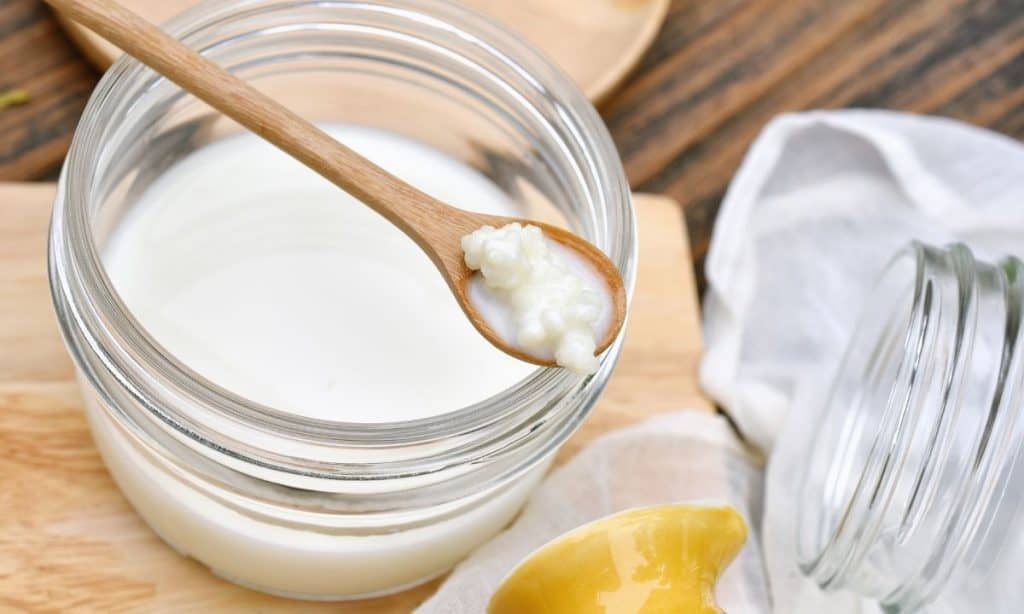
Milk kefir has been around for a very long time. But recently water kefir has been making waves (pun intended). So, which is better? In this article, I put these two head-to-head and answer the question; water kefir vs milk kefir – which is the best?
Milk kefir has more nutritious properties and has a creamy yogurt-like taste. People who like soda will like water kefir due to the sparkling water fizziness. Water kefir also has nutritional properties like slow glucose release and is less fattening.
This is just scratching the surface. There are a lot more differences between the two considering the taste, production, and nutritional properties. To know more about what exactly kefir is and an in-depth analysis of which one is better, keep on reading.
Related: Ever wonder what the difference is between rye bread and sourdough bread? Find out here!
What is Kefir?
Before we dive into the differences between water and milk kefir, it is worth exploring what kefir actually is. Basically, it is a fermented drink very similar to thin yogurt. Kefir is made from kefir grains and originated in the North Caucasus region of Eastern Europe and Russia.
There are many health benefits to drinking kefir that I will talk about a bit later on in the article. There are two types of kefir as you probably have guessed – milk and water kefir. Both types of kefirs are made from kefir grains. However, they are not the same grains.
NOTE: Despite milk kefir being the more traditional type, water kefir is still very popular. In fact, you will find supermarkets or grocery stores that stock both water kefir and milk kefirs from different brands.
Water Kefir Vs. Milk Kefir
Although both are made from kefir grains, water and milk kefirs are not the same. They differ in taste, nutritional aspects, and also other characteristics. So, let’s take a deeper look into their differences.
Taste
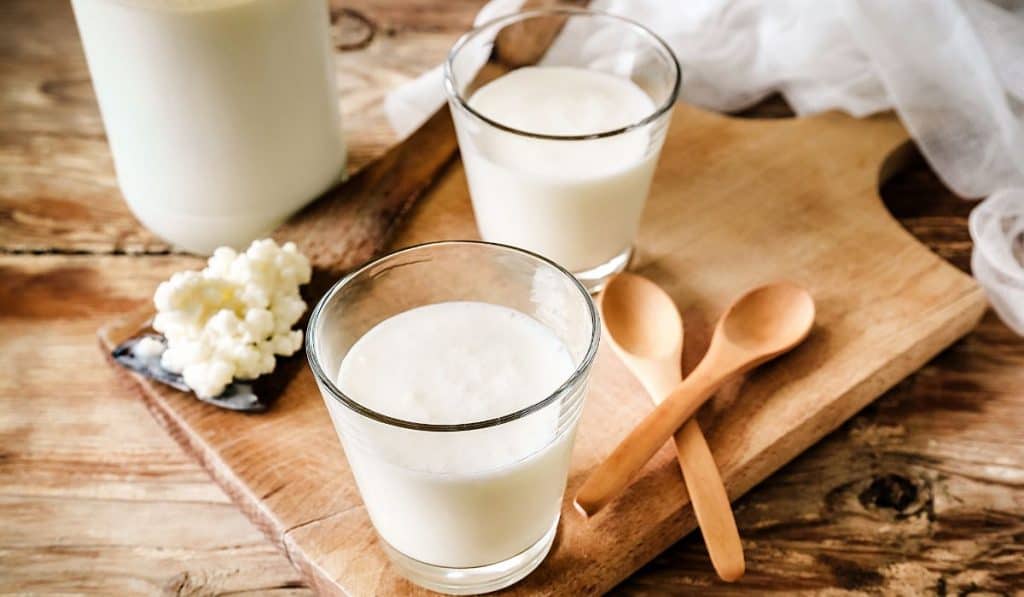
Taste-wise, it will depend on everyone’s personal preference. Milk kefir tastes more like yogurt. It is sort of like a drinkable yogurt and is a dairy product.
NOTE: Even though milk kefir is technically considered a dairy product, lactose-intolerant people can still enjoy it. After the feeding process during fermentation, not much lactose is left over to cause problems for people who are lactose-intolerant.
Water kefir on the other hand isn’t a dairy product. Water kefir’s taste is more akin to kombucha or other naturally fizzy drinks. This is great for people who don’t like dairy beverages. The process of making water kefir is also different from milk kefir because the grain is different.
Both water and milk kefirs can be made at home.
Production Process
Milk kefir grains feed on the lactose in the milk. This happens during its fermentation process. I like these milk kefir grains from Amazon.
Water kefir grains feed on sugar also during fermentation. The grains are different in appearance too. I like these water kefir grains from Amazon.
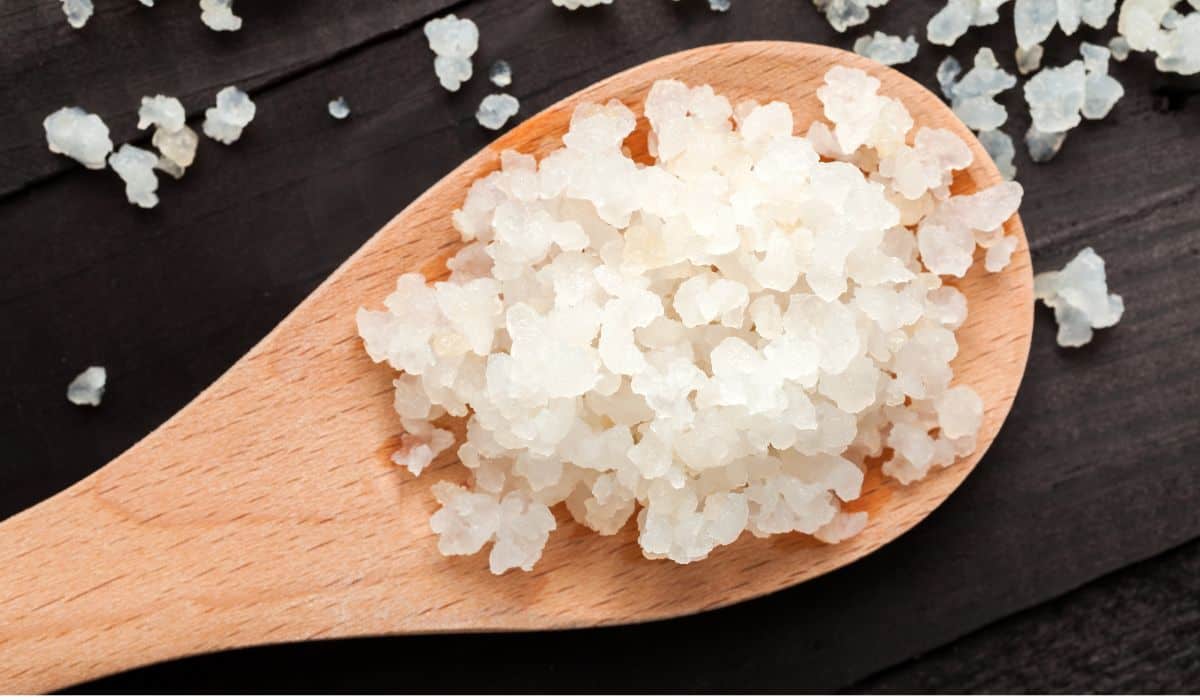
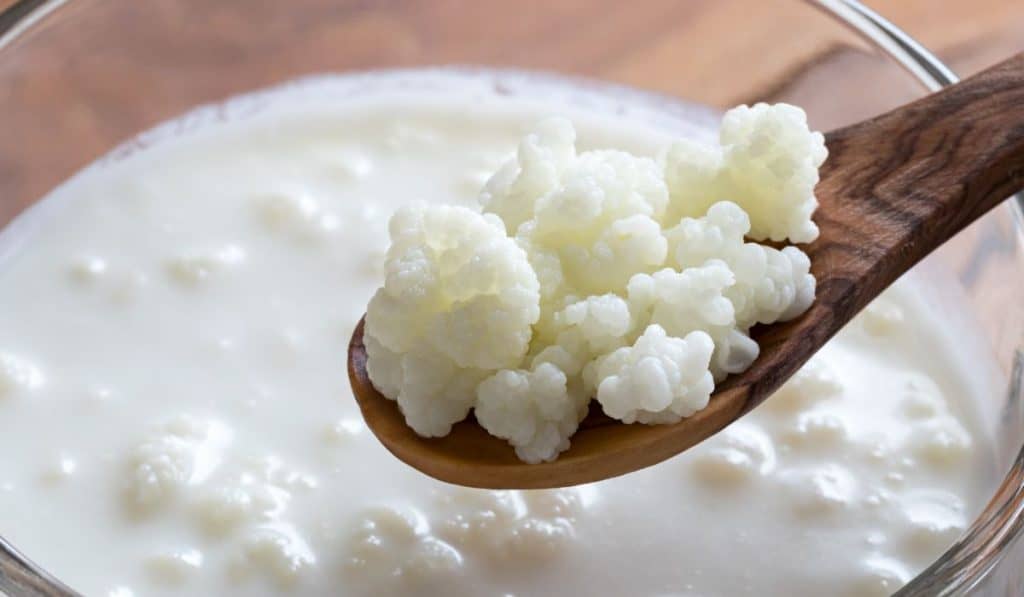
Milk kefir grains are sort of off-white or opaque. They look similar to cauliflower. Water kefir grains are a bit clearer and look like crushed ice.
The stark difference in appearance makes it quite easy to distinguish between them. So, if you are buying milk or water kefir grains, you can be sure you are picking the right one.
Both are made in very similar ways. The difference here is how they are fermented.
How to Make Milk Kefir
- Take the grains and mix them with milk in a jar.
- Wait for at least 24 hours to ferment.
- In some cases, you might need to keep it longer to ferment. The usual range is 1 to 4 days.
- After that, drain out the grains and the drink is ready.
- If you want to be extra fancy, you can also add it to smoothies or incorporate it into other recipes too.
How to Make Water Kefir
Water kefir is also made through fermentation but with sugar water.
- Mix sugar with water into a jar.
- Stir it until it completely dissolves.
- Add the water kefir grains into the solution.
- Let it ferment.

TIP: For water kefir, it is best to let it ferment for 24 to 48 hours. Then it is business as usual. Drain the grains and you will have delicious water kefir ready to drink.
Nutritional Properties
Both water kefir and milk kefir have comparable nutritional properties. However, milk kefir is a bit more nutritious compared to water kefir.
One of the reasons kefirs are so popular is because they are a probiotic drink. They have more probiotic strains compared to regular yogurt. Most yogurt contains 2 probiotic strains, while kefirs have around five strains or more.
Having said that, you cannot conclude that kefirs are more nutritious than yogurt. This is because CFU comes into play here. CFU stands for colony-forming units which is the measure of the number of microorganisms in probiotics.
REMEMBER: Some yogurts may have more CFUs even if they have only 2 probiotic strains. Still, a serving of either yogurt or kefir is generally very good for health and gut health.
Milk kefir is the more nutritious of the kefirs. This makes sense since it is fermented in milk and is very high in protein and potassium, which helps you to lower blood pressure in the body.
Potassium is also present in milk kefir which is good for muscle and nerve functions. Of course, you also get a healthy dose of calcium from the milk.
If you are looking for a nutritious drink that is low in calories, water kefir will fit the bill perfectly. Water kefir is good for people who want to maintain a low-calorie diet. It has a low glycemic index or GI.
This means the glucose is released slowly into your bloodstream which limits the feeling of hunger. Plus, since water kefir is made by fermenting kefir grains in sugar and water, it is also vegan-friendly.
The Difference Between Milk Kefir & Water Kefir
This table should provide a more comprehensive comparison between milk and water kefir.
| Milk Kefir | Water Kefir |
|---|---|
| Fermented in milk | Fermented in water and sugar |
| Rich texture & tastes like yogurt | Can be made fizzy like soda or kombucha |
| Grains look similar to cauliflower | Grains look similar to crushed ice |
| More nutritious | Better for people on a diet |
| Not vegan | Vegan |
| Might take longer to ferment | Ferments within 2 days |
Conclusion
At the end of the day, which one works for you really depends on what you prefer the most. Milk kefir is nutritious and offers a lot of health benefits, but it might take longer to ferment. It is also not a vegan-friendly option.
Water kefir is great for people who are on a diet and it is a vegan-friendly option. It might not have all the nutritious benefits of milk kefir but takes less time to ferment and is flexible too.
Now you know everything there is about water kefir vs. milk kefir and can make an informed decision for yourself and pick the one that works best for you!
More information about kefir:

Do Light And Heat Help Fermentation? Full Guide

If you have ever fermented something at home, whether it be a sourdough starter, beer, kombucha, or something else entirely, you have probably found yourself asking: do light and heat help fermentation? What is the ideal environment for fermentation?
Light does not help fermentation, but heat does. While fermentation requires a dark environment to truly thrive, having a warm environment for the fermentation to take place in will really help the process – it should not be too hot or too cold, just warm.
Heat will help the fermentation process, but light will not. Let’s take a closer look at exactly why heat and darkness can aid in fermentation but light does not, and how to create the perfect environment for fermentation.
Does Sunlight Help Fermentation?
Sunlight does not help the fermentation process. While fermentation requires a dark environment to truly thrive, warmth will also really help the process. It should be neither too hot nor too cold.
The bacteria that do all the work when it comes to the fermentation process are called lactic acid-producing bacteria, otherwise known as LAB.
The lactic acid-producing bacteria are very negatively affected by sunlight. The UV rays from the sunlight more often than not will end up killing the lactic acid-producing bacteria.
Due to sunlight being so harmful to the lactic acid-producing bacteria, and therefore being harmful to the fermentation process as a whole, it is generally advised that when fermenting anything, it should be kept in a dark room or a shady area.
TIP: If you are unable to store whatever it is that you are fermenting in a dark area, at least make sure it is an area that will always be out of direct sunlight.
If you live in a city where you do not get much natural sunlight in certain seasons, it would be fine to leave whatever item that you are fermenting on your kitchen counter as long as you know for a fact that your fermenting item will remain out of direct sunlight.

Does Heat Help Fermentation?
Fermentation actually requires a certain level of heat for the process to take place efficiently. The heat will help in the fermentation process up to a certain point – and after that, it may become harmful.
Fermentation processes thrive in a warm environment. For example, if you are fermenting a sourdough starter, wrapping a cloth around your jar may help the fermentation process go quicker than it normally would have without the extra warmth.
NOTE: The ideal temperature for a room at for fermentation would depend on what it is that you are fermenting, as different fermentation processes require different heats.
If you are fermenting homebrew (beer, for example), the room should be somewhere between 90ËšF to 95ËšF (which is 32ËšC to 35ËšC).
However, if you are fermenting vegetables, the ideal temperature of the room you are fermenting the vegetables in would be around 70ºF (which is 21 ËšC ). The room shouldn’t be warmer than 72ºF (22 ËšC) or cooler than 68ºF (20 ËšC)
When the room is too warm, the yeast in the fermentation process may become overly active. If the room is too hot, the yeast could die, making the fermentation process completely inactive. This room thermometer from Amazon can help you be sure of the specific temperature where you are storing the ferment.
This means that you will see little to no results, as the yeast will not be working hard enough for any fermentation to take place.
Not only does heat help fermentation, but without enough heat, fermentation may not take place at all. If it does, it may be in such a small amount that you won’t even be able to tell that it is fermenting.

What is the Ideal Environment for Fermentation?
Fermentation is not necessarily complicated; however, it does require a few specific conditions in order for the process to take place as well as it possibly can.
The environment in which the fermentation process takes place is probably the biggest factor in what the results of the fermentation will be – because of this, it is very important to make sure you have the ideal environment ready and available for use.
As discussed above, the fermentation process does not do well in light, which means that the first aspect that is important in the ideal fermentation environment would be darkness.
Having a dark environment helps the lactic acid-producing bacteria thrive, meaning that your fermentation process will thrive too.
The second aspect that is crucial when it comes to fermentation is the temperature of the room. As we discussed above, the ideal temperature of the room will vary depending on what it is that you are fermenting.
TIP: Finding out the ideal temperature for the item you are fermenting should be the first step that you take, and once you have figured that out, you will need to try to find a space in your house that is as close to that temperature as possible.
To sum it up: the ideal environment for fermentation is a dark place with the right temperature. It is not complicated; it may just be a bit of a tricky process trying to find the space with these conditions!
What Can I Do to Speed Up Fermentation?
Fermentation is mostly a waiting game. It is not something that can be quickened or rushed or forced to go faster than it can.
The bacteria needs time to work, and the yeast also needs time to feed in order to produce all of its sought after goodness – it cannot happen overnight.
However, if you need the fermentation done quicker than usual for whatever reason, here are a few things that you could try to speed up fermentation:
- If the fermentation recipe requires you to add yeast, you can add slightly more yeast than is required – the more yeast that is at work, the quicker the fermentation will go.
- Turning up the heat ever so slightly (for example, wrapping a blanket around the jar) could help assist the yeast in being more active – they will feed on the sugars and starches faster, though, so be sure there is enough food for them.
- Add less salt if you are fermenting vegetables – the salt will slow down the fermentation process, so by adding less salt, it will go faster by default.

NOTE: There are not many things at all that will speed up the fermentation process or give you overnight results, so the best thing you can do is have patience.
Conclusion
Fermentation can be a delicate process since you are dealing with bacteria, and knowing what helps the process and what does not help can make or break the end result.
While light does not help with fermentation, heat does, so use this knowledge wisely.
Keep the jar of whatever is it that you are fermenting in a dark and warm environment, as it will help the process thrive and will give you the best chance of getting the results that you are after in the final product.
And at the end of the day, fermentation needs time, time, and more time. It is a relatively long process, but it is well worth it in the end.
As much as you may want to set up your fermentation one day and wake up the next day to a finished product, this is unfortunately not the way this process works. So set up your fermentation process, then sit back and relax, because the end results will be worth your time!
You might also be interested in:
